

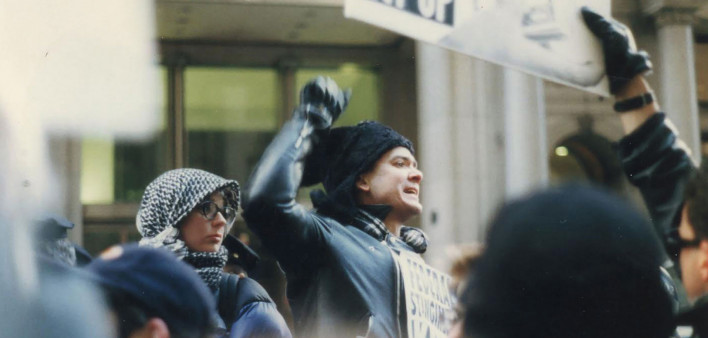
POZ founder Sean Strub and fellow longtime LGBTQ and HIV activist Cleve Jones recently organized Seven Days in June, a series of nationwide rallies and other events that drew attention to the degradation of health policy and funding under the Trump administration—and charted a better vision for the future.
For Strub, 68, it was the latest in a lifetime of activist and entrepreneurial ventures, ranging from the launch of this magazine in 1994—a time when AIDS seemed perilously close to ending his own life—to his becoming not only a hotel owner in small-town Milford, Pennsylvania, but also the town’s mayor from 2016 to 2024.
In April, Strub, now living a slightly quieter life in Milford, talked with longtime POZ contributing writer Tim Murphy about his past, present and future for Murphy’s Caftan Chronicles interview series with notable older gay men. Here is an edited excerpt.
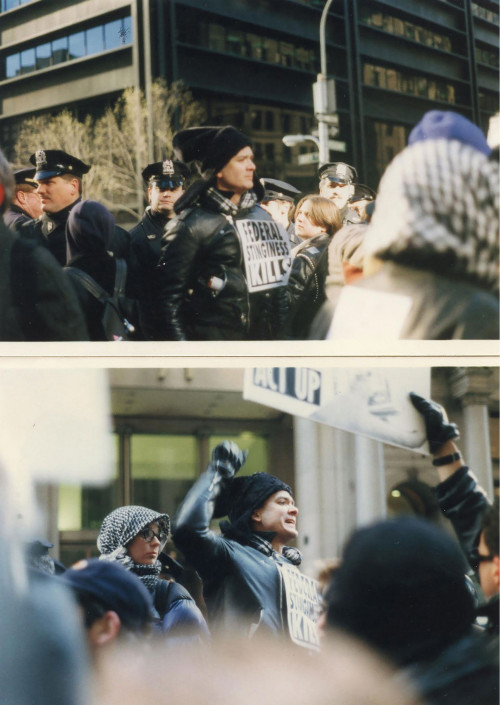
Sean Strub (center) at an ACT UP protestCourtesy of Sean Strub
Sean, how’s your life going?
This is a reasonably decent time. I’m doing interesting things. I sold the Hotel Fauchère [in Milford], stepped down as mayor and am no longer running the Sero Project, the group I cofounded in 2012 with Robert Suttle to fight discriminatory HIV criminalization laws in the United States and abroad. I bought a house in Mérida, Mexico, with Javier Morales, my partner of 34 years.
Tell us a little bit about Javier, or Javy, as you call him.
We met at a Chelsea gay bar in 1992—I forget which one!—when I felt like I was marking time until HIV made me sick. He had the most wonderful glowing almond skin, tight curly hair, beautiful brown eyes and a gorgeous smile. I took him home that night. The next day, when I put him in a cab, I knew we were going to be together for a long time. And with the exception of four years apart many years ago, we have been. I love his humility and his absolutely rock-solid soul and character. He’s also just unbelievably sexy.
Tell us about Seven Days in June.
When Trump last year said the administration wasn’t going to recognize World AIDS Day, Cleve called me, dispirited. We talked about how we’d spent our whole lives building something we were watching getting dismantled right in front of us. So we decided we needed to do something. Then we talked to others. It led to SevenDaysInJune.org, a series of actions in local communities, including town hall meetings, candidate forums and rallies. Then, nationwide on June 5 at sunset, there were candlelight vigils for those who’ve died of AIDS as well as those who’ve already died from these Trump cuts, including globally, and who will continue to die if we don’t get this reversed.
It was all to bring awareness and media attention to the $1 trillion in healthcare cuts, including Medicaid, that were passed last year, that people won’t feel the pain of until next year. The second objective was that June kicked off the midterms primary season. Our only hope for this democracy is taking back Congress this November.
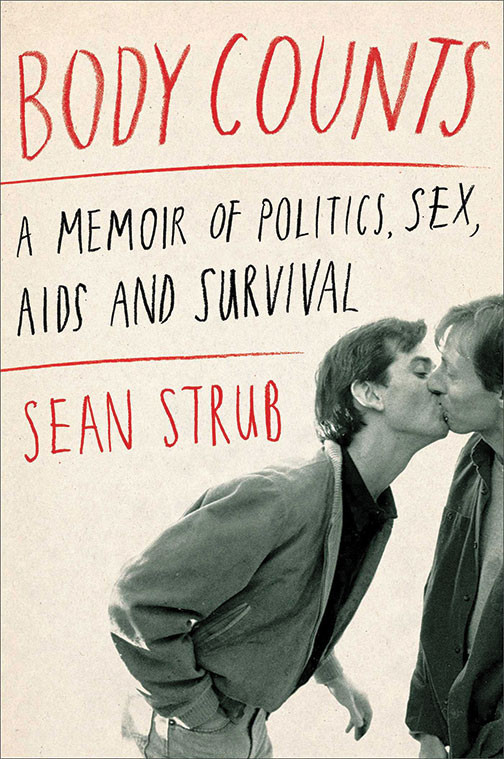
“Body Counts, A Memoir of Politics, AIDS and Survival”
You went through the 1980s AIDS epidemic under Reagan and Bush—not exactly allies to queer folks or those with HIV. How would you compare them to the Trump 2.0 era?
In the ’80s, yes, you felt the Moral Majority, and you knew they hated us, but it wasn’t the dominant, defining thing. And even as the presidential administration was fine with letting us die, you had an incredibly vibrant grassroots community. The epidemic was bringing tens of thousands of new activists and donors into the existing LGBTQ community.
Also, Reagan’s administration had some evil outcomes, but Reagan didn’t seem personally to be evil—maybe clueless on certain things but basically a decent human being. And I don’t think that’s the case with Trump.
Also, in the Reagan years, the possibility of extinction via climate change was not present, nor was the threat to democracy. Now, our democracy is hanging on by its fingernails.
You started POZ in 1994 with money you got from selling your life insurance in a viatical settlement because you thought you were going to die. You were very ill at that time. What was your vision for POZ at such a fraught time?
That it would be people with HIV speaking to other people with HIV. For a long time, we had a rule that any article had to quote someone living openly with HIV first—before researchers or anyone else. We had another rule where we didn’t use the term “quack doctors.” If a treatment was risky, expensive or maybe a scam, we’d say that. But we wouldn’t say “quack doctors” or “quack cures” because it was a way of shutting down information about anything outside the mainstream wisdom.
You sold POZ in 2004. Do you still have a relationship to it?
I don’t sit down and read every issue, but I look at it. Thankfully, the new owner believed that it would not continue to work if the readers stopped trusting it. It covers things in a different way now, but it still has that trust. I still run into people all the time who tell me it’s important to them.
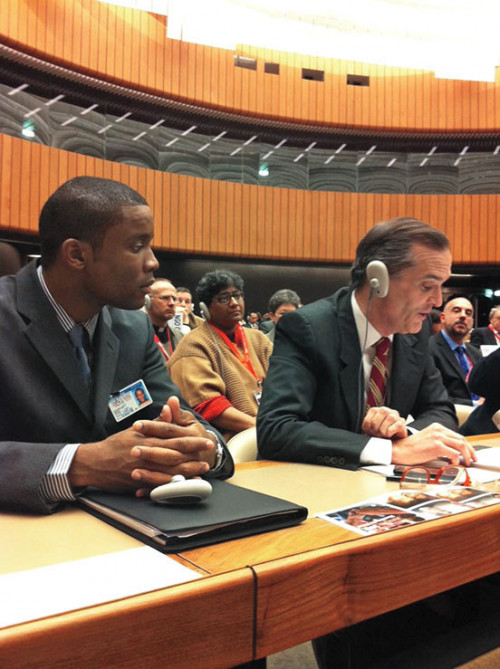
Strub with fellow HIV activist Robert Suttle (left).Courtesy of Sean Strub
Until 2024, you were mayor of Milford for eight years, a small town in a very red part of northeastern Pennsylvania. You’ve always been very liberal/left/progressive, but suddenly, you were leading a town with lots of Republicans in it. Can you explain their viewpoint?
I think it’s a sense of alienation against perceived elites and resentment that the Democratic party has never delivered for years on its promises. So there’s a desire to punish the Democrats.
As for me, I’m a lefty gay guy with AIDS, but Milford voted for me in spite of that. They thought of me as a neighbor involved in community things. Democrats win at a local level in red and purple areas when they keep their campaign focused on local issues.
One thing I was proud of as mayor was that we got so many new people involved in government, on boards and commissions. As soon as someone moved to town, we tried to get them involved in something. We also had the Milford Enhancement Committee, where we raised money to improve the streetscapes. When I was pouring cement and putting in nice streetlights, a whole gang of civic stewards appreciated that. So I think people got to know me as a person rather than a label.
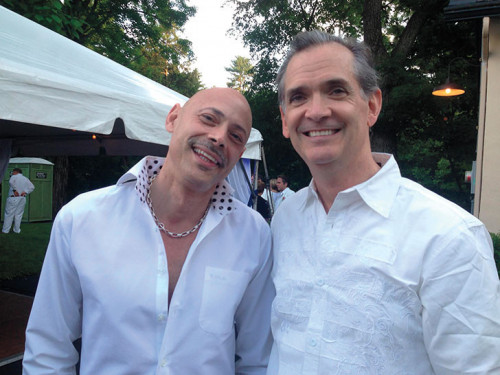
Sean Strub (right) with Javier MoralesCourtesy of Sean Strub
Can you take stock of your life?
I’m happy with how my life’s turned out. I am more relaxed these days. I’m feeling a peace and a sense of being settled. And I attribute it to the fact that none of the stuff I’m working on now is urgent. If I put something off until tomorrow, nobody’s going to die or suffer. There aren’t people depending on me.
But in terms of the variety in my life—I probably bore easily. It also has to do with not finishing college. So I was never programmed into one discipline. It was always random and about where I felt like I could be of service. What if I’d stayed in direct marketing or running political campaigns? I’m not sure anything would’ve brought me more happiness than the path I’ve had.



Comments
Comments