


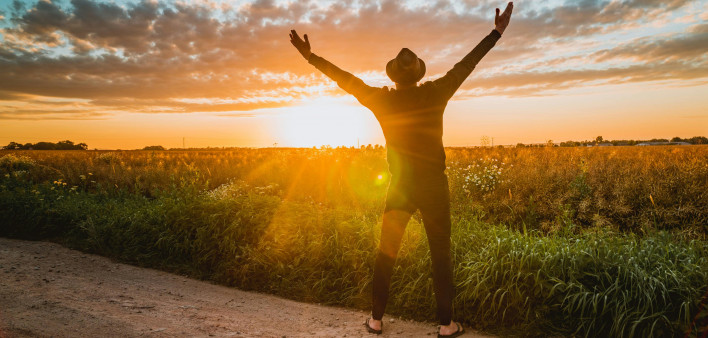
I can’t remember, or I maybe I don’t know, which is supposed to be the correct way to get to gratitude. It is either having what you want, wanting what you have—or—wanting what you have, having what you want.
At any rate, I’m grateful that I am able to ask other people for help. I know that even if this might feel a little embarrassing, I can ask someone who might know better. After all, feelings aren’t facts, although feelings are very important, mean something, and come from someplace inside. My embarrassment may be strong, but relief from asking for help might be stronger. I learned that in recovery.
I’m an addict. Fortunately, I’m an addict who’s been in active recovery for a very long time, from numerous things. Truly, there’s not enough on the page to list them all!
Addiction, however it’s manifested, whether alcohol, cigarettes, other chemicals, or behaviors like gambling or sexual addiction, is a disease. It is a disease that affects our community more than others. According to the LGBTQ+ Community and Addiction Center, it’s estimated that 20–30% of the queer population abuse chemicals, compared to 9% in their straight,cis counters. It’s more alarming for the HIV community: the National Institute of Health (NIH) reports that in a recent study, almost 50% of the patients living with HIV reported abusing substances in the last year, compared to almost 15% of patients not living with HIV.
Reading those statistics only makes me more grateful that I got sober when I did! Everything I know has come from getting and being sober.
Well, that’s not entirely true. I did know stuff before I got sober. However, I do believe that I got wiser and continue to get wiser because of being sober, and especially by being around and listening to other people who are sober. Truth, and sharing that truth with your fellow travelers, is a vital part of healing from addiction. And we addicts need that medicine daily.
I am only alive because I got sober. With my HIV status and my being a lifelong risk taker, it makes me reiterate: I am only alive because I am sober. I mean it, and I believe this is my truth.
Why am I so lucky? How and why did I get chosen to get sobriety when so many other people never make it. I made it because I found other people who are sober. I found programs of recovery that took me in when I’d all but lost hope. I am fortunate to live at a time when such recovery groups for people like me exist.
Historically speaking, recovery groups have only pretty recently been created. What did people do before such a movement existed, before groups were formed to help me and other people get sober and have the chance to stay sober?
What we think of as the modern recovery movement began in the 19th century, with both religious and secular organizations trying to find solutions for people suffering in addiction. It was these early efforts that set the stage for groups like Alcoholics Anonymous and other 12-step recovery organizations to form. What started as a meeting of two drunks in a living room has grown into a worldwide healing movement, helping millions to recover from addictions that once ruled their lives.
I think the creation of these groups will be remembered as the most important concept, invention, and movement of this time in history. I am grateful to be living during this time of, well, infinite history and in the country where this radical recovery movement began.
At this time when our rights are threatened, citizens are being violently kidnapped by our government, and violence against the LGBTQ+ community is on the rise, my addictive behaviors can sometimes feel like reasonable choices. When those feelings become overwhelming, that’s when I know I need to be among my fellow addicts. I needed and still need a group of people to be among and to be a part of to be sober. They help to remind me what my life was and what it is now, and all the progress that I’ve made.
I am grateful. I use this when I feel overwhelmed or like the world is conspiring against me. And on days when I can’t muster up the gratitude, I have several friends, in and out of recovery rooms, who always have some to lend me until my heart finds thanks again.
So, how I get to my gratitude—whether it starts with wanting what I have or having what I want—is not nearly as important as getting there.


Comments
Comments