

Women accounted for about one in five of the more than 39,000 people newly diagnosed with HIV in the United States in 2023. Fortunately, women respond as well as men to antiretroviral treatment, and many can benefit from pre-exposure prophylaxis (PrEP) to prevent HIV acquisition.
Cisgender women make up nearly a quarter of all people living with HIV in the United States, but this rises to more than half worldwide. HIV incidence among U.S. women has remained stable over the past several years, but the risk varies considerably by race/ethnicity and geography, as new cases are increasingly shifting to the South.
Black women, who make up about 13% of the U.S. female population, are disproportionately affected by HIV, accounting for about half of all new HIV diagnoses among women. Rates are also higher for Latina, Native American and Pacific Islander and multiracial women compared with white women.
Along with using condoms and not sharing drug injection equipment, PrEP is a highly effective tool for preventing HIV, but women at risk are less likely than gay men to use it.
The once-daily tenofovir disoproxil fumarate/emtricitabine pill (Truvada or generic equivalents) is approved for cis-gender women. However, a second PrEP pill, Descovy (tenofovir alafenamide/ emtricitabine), is not approved for people exposed to HIV via vaginal sex. Two long-acting injectable PrEP options—Apretude (cabotegravir), administered by a health care provider every other month, and Yeztugo (lenacapavir), administered twice a year—are safe and effective for cisgender women, including those who are pregnant or breastfeeding.
An estimated 90% of women living with HIV in the U.S. have been tested and know their status. According to the Centers for Disease Control and Prevention, 82% of women diagnosed with HIV in 2023 were linked to care within one month and 70% achieved viral suppression within six months—both a bit lower than the rates for the newly diagnosed population as a whole.
HIV testing is important because people who know they are positive can start antiretroviral treatment, which both halts disease progression and prevents HIV transmission because people with an undetectable viral load do not transmit the virus through sex.
HIV progression is similar for women and men. However, some studies find that cisgender women may naturally control the virus better than men, suggesting they may be good candidates for functional cure strategies. Antiretroviral therapy works equally well for both sexes, and treatment recommendations are generally the same for women and men.
Compared with their HIV-negative peers, women living with HIV are at greater risk for other health conditions, such as cardiovascular disease, liver disease and bone loss. To lower the risk, eat a healthy diet, get enough exercise, curb unhealthy habits, such as smoking or drinking too much, and see your health care providers regularly. It’s important to discuss not only HIV treatment but also your overall health, sexual health and concerns about aging.
Family planning is also an important consideration. Women living with HIV can safely use most forms of contraception, but some could potentially interact with antiretrovirals. For HIV--positive women with an HIV-negative male partner, or vice versa, PrEP can enable safe conception without putting the negative partner at risk.
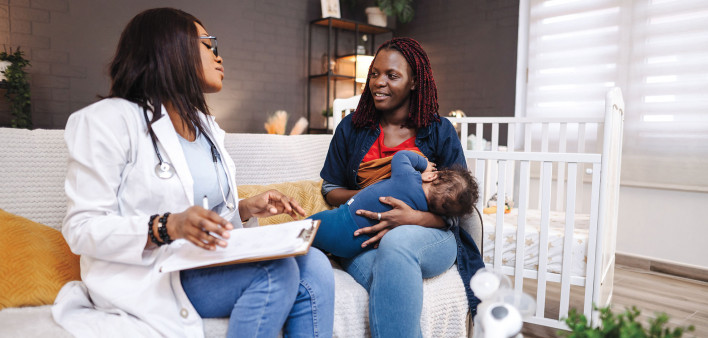
HIV can be passed from mother to baby during pregnancy or delivery, but effective antiretroviral therapy prevents vertical transmission. Women on treatment can have healthy babies born free of HIV, and breastfeeding is an option for those with viral suppression.
Many women at risk for or living with HIV face additional challenges, including poverty, lack of health insurance, homelessness, violence, incarceration and criminalization related to their HIV status.
What’s more, women are often responsible for caring for others, and they may not prioritize their own needs. But knowing your HIV status, using effective prevention tools if you’re negative and staying on treatment if you’re positive can help maximize your own health and put you in a better position to care for loved ones.




Comments
Comments