


People with HIV who get vaccinated against shingles can lower their risk for cardiovascular events, neurocognitive problems and death in addition to painful skin outbreaks, according to research presented at IDWeek 2025. The researchers recommended that shingles vaccination should be bundled into comprehensive HIV care.
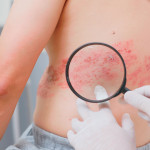
Shingles (also known as herpes zoster) is caused by varicella-zoster virus (VZV), a virus in the herpes family that also causes chickenpox. Most people acquire the virus during childhood, though incidence has fallen steeply since the advent of childhood vaccination in the mid-1990s. After recovery from chickenpox, VZV establishes latent infection in nerves near the spine and can reactivate later in life to cause shingles. The condition is characterized by a painful rash, sometimes accompanied by flu-like symptoms. In some cases, it can lead to persistent nerve damage and pain, known as postherpetic neuralgia. Antiviral medications, such as acyclovir, may reduce pain and speed healing, but there is no cure for shingles.
A growing body of evidence suggests that VZV also increases the likelihood of cardiovascular, neurological and other long-term complications. “What looks like a rash is a systemic vascular and neuroinflammatory event,” according to study authors Ali Dehghani, DO, and George Yendewa, MD, MPH, of Case Western Reserve University School of Medicine.
Around a third of adults will develop shingles in their lifetime, but the risk is higher for people with HIV, especially those who are older or have a low CD4 T-cell count. Immunocompromised people are prone to more frequent, persistent and severe outbreaks. This is a concern because HIV-positive people are already at heightened risk for cardiovascular and cognitive problems.
The shingles vaccine (Shingrix)—a two-shot series—is recommended for people over age 50 in the general population, but federal HIV guidelines recommend it for all adults (ages 18 and older) living with HIV. The vaccine is about 90% effective, and it elicits robust immune responses in HIV-positive people.
Dehghani and Yendewa assessed whether shingles vaccination reduces the risk of major cardiovascular events (myocardial infarction, cardiac arrest, stroke, pulmonary embolism), dementia or major neurocognitive disorders and all-cause mortality among people with HIV who had not yet had shingles.
In another study presented at the conference, the researchers found that the vaccine was linked to reduced likelihood of major cardiovascular events, dementia and death in an analysis of more 174,000 people ages 50 or older in the general population. Vaccinated people had a 25% lower risk for heart attack or stroke, a 50% lower risk for vascular dementia and a 21% lower risk of death.
The HIV study looked at outcomes among more than 5,000 HIV-positive people ages 50 or older in a retrospective cohort study using medical records from the TriNetX analytics network. One analysis compared events among HIV-positive people with and without a diagnosed zoster infection. Another compared outcomes among 2,715 people who received the shingles vaccine and the same number who got the pneumococcal conjugate vaccine.
About 75% were men, nearly half were white, about 40% were Black and the mean age was approximately 55 years; all were on antiretroviral treatment. They were matched according to demographics, antiretroviral regimen, use of statins and heart medications, comorbidities (including hepatitis B or C, autoimmune diseases and psychiatric conditions) and lifestyle risk factors, including obesity, smoking and heavy alcohol use.
People with a known zoster infection were about three times more likely to have major cardiovascular events or dementia over five years of follow-up, the researchers reported. The shingles vaccine was associated with a 30% reduction in major cardiovascular events, a 48% reduction in dementia and a 46% reduction in all-cause mortality. The risk reduction was clearest during the first year and a half after vaccination, but the benefits persisted for at least four years.
Chronic VZV infection may cause endothelial (blood vessel) and astrocyte (brain cell) inflammation, and shingles vaccination may reduce both overt VZV reactivation and “silent” reactivation that does not cause obvious symptoms, according to the researchers. They suggested that the shingles vaccine—along with pneumococcal and flu vaccines, statins and controlling risk factors—could offer “cardio-cognitive protection” for people living with HIV.
Click here for more news from IDWeek 2025.



Comments
Comments