


Since 1988, communities worldwide have united in solidarity on World AIDS Day to end the epidemic while honoring the lives of those we have lost. Today, Housing Works pays tribute to the lives affected by HIV/AIDS and asserts the critical nature of our fight as the Trump administration threatens to cut essential funding for HIV prevention and treatment.
That’s why over 100 community members powerfully demonstrated in D.C. today. Housing Works, alongside Health GAP, AIDS United, and NMAC, displayed bright red banners in front of the White House lawn, showing the Trump administration the number of lives that will be lost around the world as they decrease HIV/AIDS funding.

Courtesy of Housing Works
Recent proposals will cut $1.5 billion from the CDC and weaken the Ending the HIV Epidemic initiative, which aims to reduce new HIV infections by 90% by 2030. HIV medication is currently sitting in warehouses awaiting distribution as the administration stalls prevention funding at home and abroad.
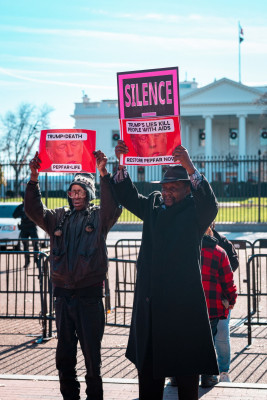
Courtesy of Housing Works
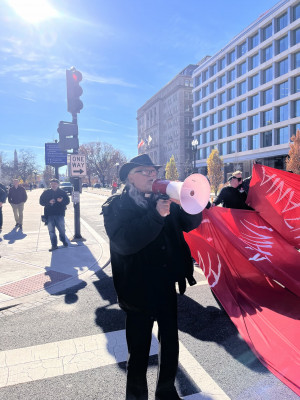
Charles King, Housing WorksCourtesy of Housing Works
In New York City, we memorialized our loved ones lost with the “Reading of Names” at the NYC AIDS Memorial. We’re grateful to be able to collectively champion the fight to end the epidemic alongside Amida Care, ACT UP NYC, Bronx Móvile, Harlem United, Vocal New York, Popular Democracy, and the NYC AIDS Memorial.
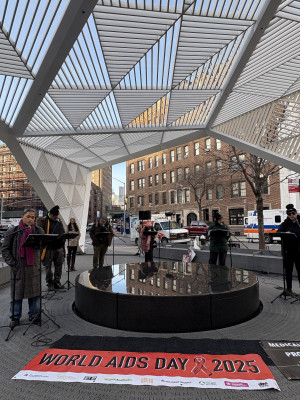
Courtesy of Housing Works

Courtesy of Housing Works
With more than 1.2 million people in the U.S. living with HIV, protecting funding for crucial health organizations is essential to maintain the strides made in reducing HIV infections and AIDS-related deaths nationwide. We say "No More" to funding cuts, to this administration’s lies, and to more unnecessary deaths caused by HIV/AIDS.
Housing Works was founded in 1990 at the height of the AIDS epidemic in New York City by a small group of activists and today serves tens of thousands of New Yorkers annually through healthcare, housing, job training, and other supportive services.



Comments
Comments