

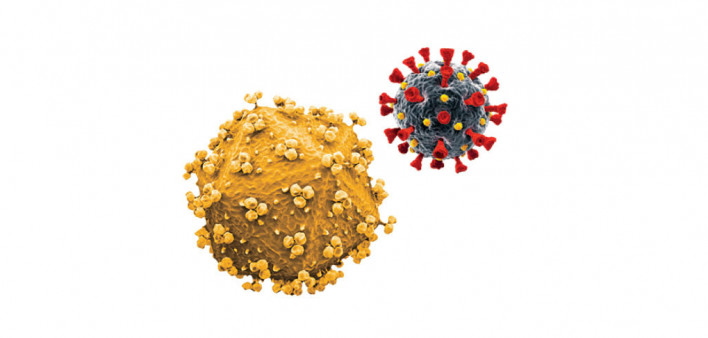
HIV research has led to remarkable advances in prevention and treatment, but it has also yielded benefits for people with other conditions, including long COVID. In the early months of the COVID-19 pandemic, University of California San Francisco (UCSF) researchers were already seeing young, previously healthy people who reported fatigue, cognitive impairment and other symptoms that lingered long after the acute phase of the disease.
In March 2020, UCSF established the LIINC (Long-term Impact of Infection with Novel Coronavirus) program to look at outcomes over time. Cofounder Steven Deeks, MD, is a leading expert in long-term HIV and functional cure research. Recruiting more than 1,700 patients, the researchers conducted some of the first studies on the causes of long COVID. Drawing on lessons from HIV, the collaborative effort includes clinicians, public health officials and the affected community.
LIINC launched the world’s first COVID biological specimen bank, and researchers have conducted imaging studies to look for changes that aren’t reflected in standard blood tests. They found that pieces of the SARS-CoV-2 virus can persist for years in gut, bone marrow, brain and other tissues. What’s more, they have seen differences in cardiopulmonary and vascular function, immune response and inflammation between people with and without long COVID.
The program is also running clinical trials of potential treatments. “In the early era of HIV, we tried single-drug therapies, but nothing worked. Two drugs—that didn’t really work. Three drugs—boom,” Deeks says. “That’s the way it worked for HIV, and that may be the way it works for long COVID.”
LIINC’s work could ultimately also advance the understanding of other infection-associated chronic conditions, such as myalgic encephalomyelitis/chronic fatigue syndrome and persistent Lyme disease. But finding answers requires more federal funding and investments from the pharmaceutical industry and private donors.
“HIV taught us how chronic viral infections can affect the body long after the initial illness and how important it is to involve patients in that research,” says LIINC director Michael Peluso, MD. “Applying those lessons to long COVID has helped us accelerate discovery and move closer to answers and treatments.”


Comments
Comments