

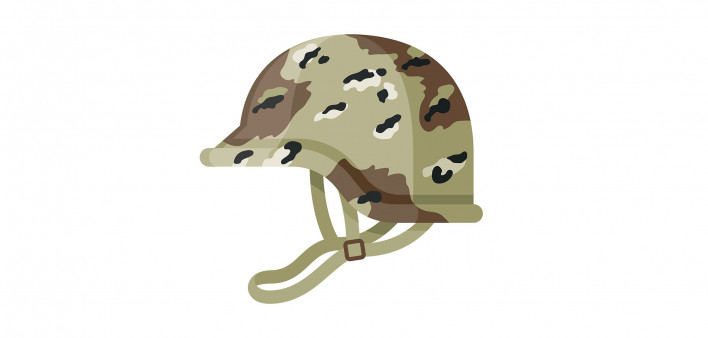
I was just a few years into my time as a member of the Marine Corps Reserve when I experienced the high of potentially serving as an out gay man. During his campaign, President Bill Clinton promised to make it happen. I was soon disappointed.
After he took office in 1993, Don’t Ask, Don’t Tell (DADT) became the official policy of the U.S. Armed Services. In 1992, I had tested HIV positive. The double whammy forced my hand into separating from the military. That low moment in my life made my honorable discharge feel like a small silver lining. Bittersweet indeed.
The overturning of DADT in 2011 was a victory, of course. Lesbian, gay and bisexual people could serve openly. However, transgender people were still banned. The Biden administration welcomed trans folks into service, but the Trump administration has reinstated their exclusion.
The ability of people living with HIV to serve has also changed over time. Since I found out I had HIV while in the military, I was given the chance to stay, but I would have been reassigned into a noncombat role. I didn’t disagree with that logic at the time, but it wasn’t what I wanted, so I took the alternative option, which was separation.
For decades, the situation for folks with HIV in the military remained much the same, even with the advent of effective treatment. In 2022, however, a federal court ruled that service members who were undetectable could not be barred from commissioning as officers or being deployed.
So it’s no surprise that Isaiah Wilkins, our cover subject, was encouraged at his chances to enlist. In 2024, a federal court ruled in his favor, which would have allowed all people living with HIV who were qualified for military service to enlist. A roadblock appeared earlier this year when an appeals court ruled against him. Go here to learn more.
Two steps forward and one step back seems to be an increasingly true reality across the country these days when it comes to civil rights in general, but especially so as it concerns LGBTQ people and folks living with HIV.
Young people are finding themselves ever more affected by these current events, which include matters related to HIV. At 24, Isaiah is an encouraging example among his peers of putting words into action. We’re pleased to be able to highlight his advocacy in support of National Youth HIV & AIDS Awareness Day, which is marked each year on April 10.
Another advocate promoting visibility for young people living with HIV is Raul Ramirez Perez. He was 25 when he tested positive for the virus. Raul didn’t have the best experience after learning his status, so he has dedicated himself to making sure that others have better sexual health outcomes. Go here to read more about his work.
Please also go here for a sneak peek at a new graphic novel that’s not just for young people titled Bitter Pill: Randy Shilts and the Dawn of the HIV/AIDS Epidemic. Author Clément Xavier shares why he delves into this aspect of AIDS history.

Comments
Comments