

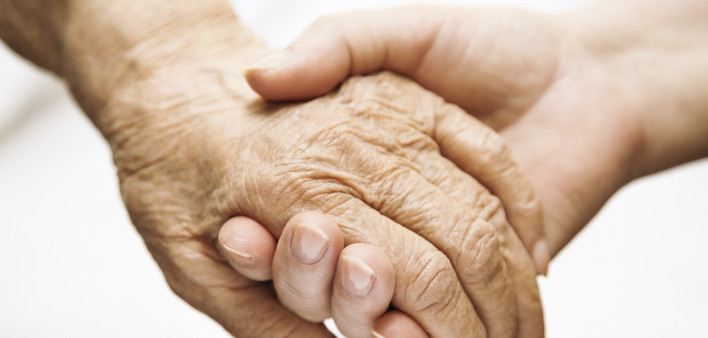
In September, NMAC hosted the 29th U.S. Conference on HIV/AIDS, themed around “Aging and HIV.” We know that USCHA’s theme and programming each ignite a ripple effect of ideas and initiatives that expand our efforts to end the HIV epidemic.
We are loving all the appreciation we have received from our USCHA participants about the theme and focus on people aging with HIV. It makes me proud to share that the theme and the programming were born from four aspects of our value proposition to our community:
- NMAC’s commitment to responding and amplifying the urgent need for people living with aging whose whole-person needs must be centered
- NMAC’s own programmatic efforts to grow leadership, build capacity, and create networks for people over 50 living with HIV
- NMAC’s long-standing education efforts among policymakers to include people living with HIV in the larger conversation around aging Americans.
- NMAC’s deep-rooted relationships with community leaders and public health experts who joined our Program Committee
As a person aging and thriving with HIV, I’m proudly committed to leading and growing our integrated approach to creating an optimal quality of life for our community. Access to comprehensive care and whole-person psychosocial services is critical to improving quality of life in our community. As a community, we have built a first-class HIV care system with the creation of the Ryan White Care Act, which funds HIV clinics and medications, aiming to reduce individual and community viral load.
More than 90% of those beneficiaries of the Ryan White program have achieved viral suppression. This achievement keeps the individual healthy and the community less vulnerable to HIV infection. Viral suppression is what the Ryan White program was built for. There are limitations to this goal regarding older adults living with HIV. The Ryan White program is not equipped to offer the psychosocial and geriatric care and screening services needed for those aging with HIV to continue to live whole-person healthily.
The Older Americans Act, administered by the HHS Administration for Community Living (ACL), is crucial for people aging with HIV because it funds critical services that protect health, preserve independence, support caregivers, promote economic mobility, encourage meaningful engagement, and expand opportunities for reasonable choices that allow the individual to age at home connected to their community and with dignity.
The ACL is undergoing a significant internal programmatic change that may risk the preservation and efficient management of the funds and services provided by the Older Americans Act. As leaders in our communities, we must defend and protect the goal of this legislation and the integrity of the HHS agency administering these congregationally allocated funds.
Moises Agosto is Director, Center for HIV Treatment, Leadership, & Community Engagement, NMAC



Comments
Comments