

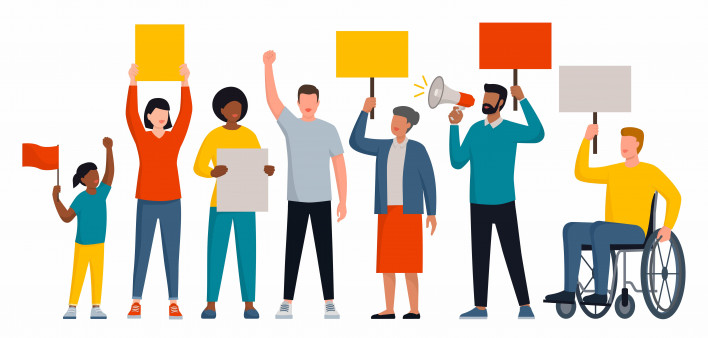
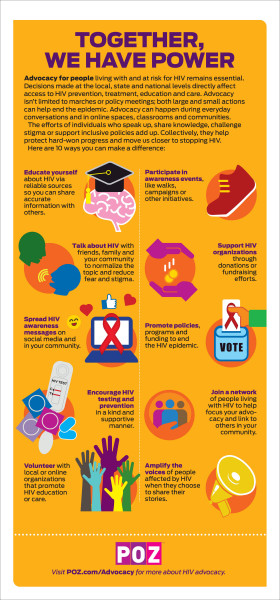
Advocacy for people living with and at risk for HIV remains essential. Decisions made at the local, state and national levels directly affect access to HIV prevention, treatment, education and care. Advocacy isn’t limited to marches or policy meetings; both large and small actions can help end the epidemic. Advocacy can happen during everyday conversations and in online spaces, classrooms and communities.
The efforts of individuals who speak up, share knowledge, challenge stigma or support inclusive policies add up. Collectively, they help protect hard-won progress and move us closer to stopping HIV.
Here are 10 ways you can make a difference:
-
Educate yourself about HIV via reliable sources so you can share accurate information with others.

Doriot Kim
-
Talk about HIV with friends, family and your community to normalize the topic and reduce fear and stigma.
Doriot Kim
-
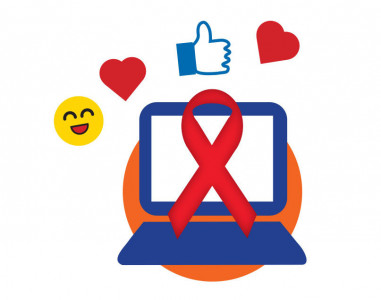
Spread HIV awareness messages on social media and in your community.
Doriot Kim
-
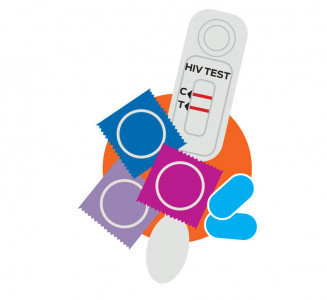
Encourage HIV testing and prevention in a kind and supportive manner.
Doriot Kim
-
Volunteer with local or online organizations that promote HIV education or care.
Doriot Kim
-
Participate in awareness events, like walks, campaigns or other initiatives.
Doriot Kim
-
Support HIV organizations through donations or fundraising efforts.
Doriot Kim
-
Promote policies, programs and funding to end the HIV epidemic.
Doriot Kim
-
Join a network of people living with HIV to help focus your advocacy and link to others in your community.
Doriot Kim
-
Amplify the voices of people affected by HIV when they choose to share their stories.

Doriot Kim
Visit POZ.com/Advocacy for more about HIV advocacy.
Click here to download a printable copy of this advocacy poster.




Comments
Comments