

Thursday, March 20, 2025, marks the 17th annual National Native HIV/AIDS Awareness Day (NNHAAD). This year’s theme, “Walking in Tradition, Anchored in Culture,” highlights the importance of culture in efforts to address the HIV epidemic.
This day presents an opportunity to increase awareness of the impact of HIV and AIDS on American Indians, Alaska Natives and Native Hawaiians (AI/AN). The event encourages all Native communities to organize events to promote HIV testing, education, prevention and treatment. It is also serves as day to honor those living with or affected by HIV, including those who have passed because of AIDS-related complications.
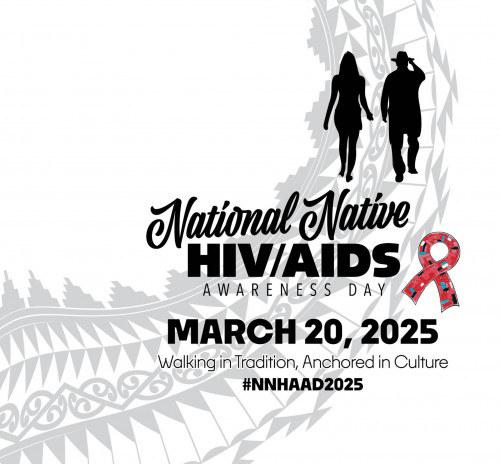
Graphic promoting National Native HIV/AIDS Awareness Day 2025Courtesy of NNHAAD.org
“This year’s theme highlights the resilience and healing that come from being deeply rooted in our culture as Native people,” said National Native HIV Network’s Devona Bradford in a news release. “HIV has significantly impacted our tribal communities, yet we continue to stand strong working every day to raise awareness, break barriers and expand culturally responsive health care for our people.”
View this post on Instagram
NNHAAD aligns with the beginning of spring, which usually falls on March 19, 20 or 21, depending on the vernal equinox —a time when daytime and nighttime are equally long because Earth’s axis isn’t tilted toward or away from the sun (this happens twice a year; the autumnal equinox occurs in September).
“This day was chosen by individuals in the [Native] community who had participated in a national survey to determine what day would be most appropriate,” states NNHAAD.org. “It was acknowledged that in many Native cultures across the United States, the four seasons are highly respected because they closely represent the cycle of life. Spring also represents a time of equality and balance and is the only day when day and night are at equal lengths. It is considered a time of profound change, new beginnings and birth—a celebration of life for all people. The cycle of life is defined by the change in seasons, and ceremonies are held to recognize the passing of one season and the beginning of another.”
View this post on Instagram
Many factors contribute to a disproportionate burden of HIV in AI/AN communities, including HIV-related stigma, lack of awareness and limited access to HIV services. In fact, according to the National Institutes of Health:
- 3,270 AI/AN individuals had HIV in the United States in 2021.
- 223 AI/AN individuals were newly diagnosed with HIV in 2021, an increase of 16% from 2017.
- About 20% of AI/AN people with HIV are unaware of their HIV status—the lowest rate of any racial or ethnic group.
“When we walk in tradition and anchor ourselves in our cultural values, we strengthen our communities and move closer to ending the HIV epidemic in Indian Country,” Bradford said.
You can download resources and learn more at NNHAAD.org.
Search #NNHAAD2025 or #NativeHIVAIDSAwarnessDay on social media to find events and campaigns.
View this post on Instagram
And visit “2025 HIV and AIDS Awareness Days” to download a poster and learn about upcoming awareness days such as National Youth HIV & AIDS Awareness Day (April 10) and National Transgender HIV Testing Day (April 18).


Comments
Comments