

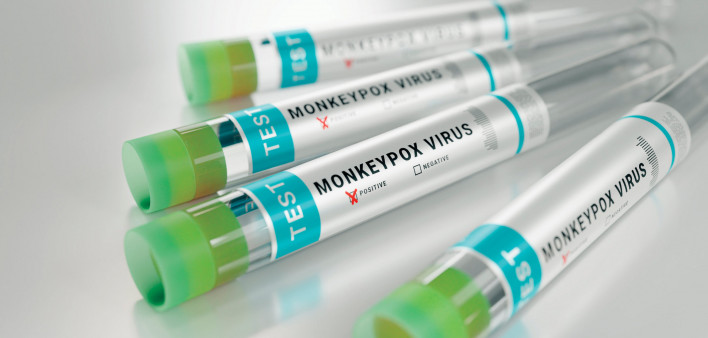
People who have had mpox (also known as monkeypox) may experience persistent physical effects, such as skin discoloration and scarring, as well as ongoing psychological and social impact, according to a study published in Annals of Internal Medicine.
In an analysis of more than 150 people who had mpox during the large outbreak in 2022, nearly 60% reported lasting physical aftereffects, 49% reported ongoing issues related to their social life and 45% reported increased depression 11 to 18 months later.
Mpox, caused by a virus related to smallpox, is primarily transmitted via skin-to-skin contact, including sex, hands-on caregiving and contact between members of a household. The characteristic sign is a rash or sores anywhere on the body—including the face, genitals, anal area, palms or soles of the feet—sometimes accompanied by fever, swollen lymph nodes and other flu-like symptoms.
The global outbreak of Clade II mpox that started in May 2022 mainly affected gay and bisexual men. When the Centers for Disease Control and Prevention (CDC) stopped updating its national count in January 2024, it had tallied more than 32,000 total cases, resulting in 58 deaths. People with advanced HIV disease were more likely to develop severe illness. This type of mpox continues to circulate at a low level in the United States. In addition, several outbreaks of Clade I mpox are ongoing in Africa, and a few cases have been reported in the U.S.
For the new analysis, Preetam Cholli, MD, of the CDC, and colleagues with the Life After Mpox (LAMP) study team looked at sequelae 11 to 18 months after an acute mpox diagnosis and compared outbreak-associated psychosocial and behavioral impact between people at risk who did or did not have mpox.
The study included 154 people who had mpox during the 2022 outbreak and 201 people who did not. They were recruited at HIV, pre-exposure prophylaxis (PrEP) and sexually transmitted infection clinics in New York City and Houston between August and December 2023. Post-mpox participants had been diagnosed with symptomatic, laboratory-confirmed mpox between May 2022 and January 2023, while the no-mpox participants had no history of mpox during that outbreak.
In both groups, about 80% were Black or Latino, and the median age was 35 years. Almost all the post-mpox participants were men (96%), but the no-mpox group included more women (15%); those in the former group were also more likely to report male-to-male sexual contact (80% versus 57%). About 20% were homeless or unstably housed. Two thirds were HIV positive—including seven people who were diagnosed with HIV at the time of their mpox diagnosis—and 23% had a detectable viral load. About one in five (19%) had received at least one dose of the mpox vaccine before their diagnosis, and 51% were treated with the antiviral drug tecovirimat (TPOXX). Nearly half had more than 10 mpox lesions; 14% had been hospitalized during acute mpox, but none required intensive care.
The researchers found that 89 post-mpox participants (58%) reported at least one persistent physical aftereffect. All but three of these were appearance-related, such as persistent skin discoloration (83%) and scars (51%). The penis was the most frequently affected part of the body (cited by 47%), followed by elsewhere in the groin or pelvic area (38%), trunk (35%), upper extremities (34%) and face or ears (30%). About half reported lasting effects at just one or two sites, but 8% had 10 or more affected sites. Persistent effects were more likely among people who had 10 or more sores, larger lesions (2 centimeters or more) or bacterial superinfection during acute mpox, but they were not associated with poorly controlled HIV, mpox vaccination status or tecovirimat treatment.
In addition, 20 people (13%) reported ongoing effects on physical function, including anal/rectal dysfunction, such as difficult defecation or incontinence (10 cases), urinary dysfunction (seven cases), neurological impairment (three cases), chronic pain (two cases), impaired sexual function (two men) and painful intercourse (two women). Three participants underwent procedures to deal with post-mpox effects, including contracture release, circumcision and anal fissure repair. Three people reported persistent difficulty with activities of daily living.
What’s more, both post-mpox and no-mpox participants reported ongoing behavioral, social and sexual aftereffects following the outbreak. Post-mpox participants with functional aftereffects were more likely to report adverse effects on sexual performance, while those with persistent appearance-related effects were more likely to report negative effects on their social life, according to the researchers.
For instance, 45% of those who had mpox reported increased depression symptoms, and 40% reported increased anhedonia (reduced pleasure or interest in previously enjoyable activities) since the start of the mpox outbreak. Some reported ongoing challenges with their social life (49%), sexual performance (19%) or employment (6%). The post-mpox group also reported stigma, with 30% saying they felt hurt by how people reacted to their mpox diagnosis and 22% saying other people were hesitant to be around them.
“Our findings suggest that clinicians should consider more aggressive monitoring and treatment or early dermatology consultation to try to mitigate the possibility of long-term scarring” for people with larger mpox lesions, the study authors wrote. “Clinicians caring for persons affected by mpox might consider screening for depressive symptoms and disruptions in social or occupational life, with referral to behavioral health or wraparound services if indicated.”
Mpox Prevention
Health officials continue to encourage people at higher risk for mpox to get vaccinated whether or not a local outbreak is currently underway. These include men who have sex with men, transgender, nonbinary and other gender-diverse individuals, people living with HIV, those using or eligible for HIV pre-exposure prophylaxis, sex workers and those in their sexual networks.
The Jynneos MVA-BN vaccine protects against both Clade I and Clade II mpox. People who were not vaccinated during or since the 2022 outbreak should receive two doses, spaced at least a month apart. People who received a single dose during that outbreak can get their second dose at any time. Those who have previously had mpox are considered to be immune.
Some people who have contracted mpox since the 2022 outbreak were fully vaccinated—so the vaccine does not confer complete protection—but their symptoms were generally mild. Health officials do not recommend mpox vaccine boosters at this time, but some advocates say more research is needed.
Click here for more news about mpox.




Comments
Comments