

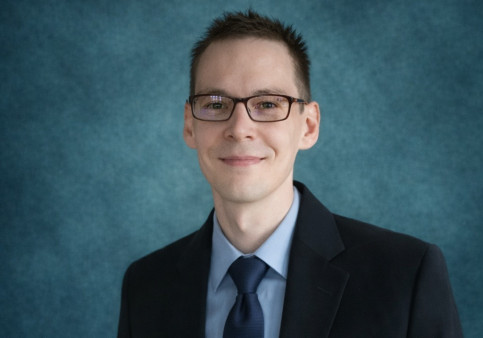
I was diagnosed with HIV in 2009. Shortly after, my condition progressed rapidly to AIDS, with a CD4 count of 10. At that point, I was told in no uncertain terms that I would not live to see much of a future.
What followed was a decade-long fight for survival.
There were periods when stability felt out of reach, when every step forward was uncertain and when simply staying alive required more than I thought I had to give. Over those years, I came dangerously close to death more than once. Even now, I can say honestly that while I am no longer in immediate danger, I have never fully recovered. The impact of that time remains with me physically, mentally and emotionally.
But survival has a way of reshaping perspective.
What started as a fight to stay alive became something else entirely, a realization that if I was still here, there had to be a reason. That second chance came with a responsibility, not just to live but to do something with my life.
I committed that second chance to action.
Today, I serve on the board of directors of one of the largest nonprofits in southern New Hampshire, where I also serve as the cochair of a federally qualified health center oversight committee and as a member of the strategic planning committee. I hold a seat within New Hampshire’s HIV Planning Group, contributing across prevention, diagnosis, treatment and response efforts. I am also engaged nationally in Ryan White HIV/AIDS Program–aligned quality improvement initiatives and advocacy networks.
Through this work, I have built relationships across local, state and national systems, including with federally aligned partners and collaborative networks in the United States and Puerto Rico. My focus has been to take lived experience and translate it into meaningful improvements in care, access and policy.
I’m also a certified PrEP [pre-exposure prophylaxis] navigator through HealthHIV and have pursued extensive education and training through federally recognized programs to better understand and navigate the systems that so many people depend on.
And yet, I remain acutely aware that the work is far from over.
We have made incredible progress in HIV care. Treatment has advanced. Outcomes have improved. U=U [Undetectable Equals Untransmittable] has reshaped what is possible. But there are still gaps in access, in awareness and in the lived realities of those navigating these systems. There are still people who are diagnosed too late, who fall out of care or who never find their way into it at all.
My story is one of survival, but it is also a reflection of how close the system came to failing me and how often it still fails others. That is why I continue this work.
Behind every statistic is a person. Behind every delay in care is a consequence. And behind every success is a responsibility to ensure that no one else has to fight as hard just to survive.
I was not supposed to make it.
But I did.
And because of that, I intend to make it matter.
What three adjectives best describe you?
Resilient, insightful, purpose-driven.
What is your greatest achievement?
Surviving AIDS when I was told I wouldn’t and turning that second chance into meaningful impact across local, state and national public health systems.
What is your greatest regret?
Not being more proactive after a brief, unsupported diagnosis process, which led me down a path I never should have had to navigate alone.
What keeps you up at night?
The fear of dying and leaving my partner behind to carry the weight of everything we’ve fought through, without support or a safety net.
If you could change one thing about living with HIV, what would it be?
Nothing. The challenges shaped me under fire into who I am today, and I’ve learned to live with that, regardless of the cost.
What is the best advice you ever received?
To practice self-care and be kind to myself, something I still struggle with but continue to work on.
What person in the HIV community do you most admire?
Not one person, but the people at my local ASO [AIDS service organization], Harbor Care. They stood by me when I was dying and never gave up, no matter how grim things became.
What drives you to do what you do?
AIDS took almost everything from me, and it was brutal. That experience drives me to make sure no one else has to fight that same battle alone.
If you had to evacuate your house immediately, what is the one thing you would grab on the way out?
My partner. At the end of the day, nothing else matters more.
If you could be any animal, what would you be? And why?
A cat. I’m independent, observant and very particular about where I spend my time and energy—that should explain why.



Comments
Comments