

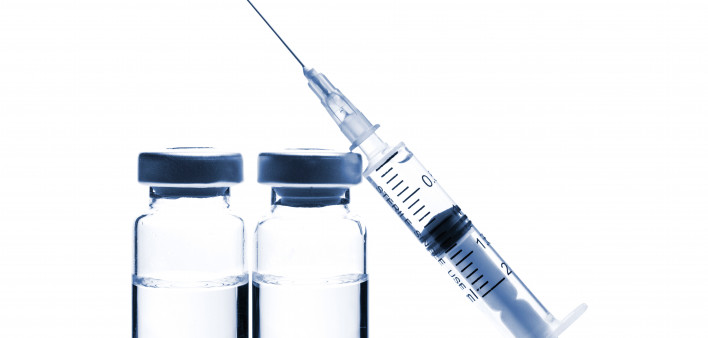
On June 18, the Food and Drug Administration approved twice-yearly lenacapavir for pre-exposure prophylaxis (PrEP), making it the longest-acting HIV prevention method. Gilead Sciences’ HIV capsid inhibitor was initially approved in 2022 under the brand name Sunlenca for the treatment of multidrug-resistant HIV. Lenacapavir for PrEP got a new brand name—Yeztugo—and a price reduction from about about $42,000 to $28,218 per year.
The approval is supported by two large studies showing that lenacapavir dramatically reduced the risk of HIV acquisition. The Phase III PURPOSE 1 trial showed that twice-yearly lenacapavir PrEP was 100% effective for young cisgender women in Africa. PURPOSE 2 found that injections every six months reduced the risk of HIV acquisition by 96% among gay and bisexual men and gender-diverse people in the United States and six other countries. In both trials, lenacapavir was safe and well-tolerated.
Lenacapavir is an antiretroviral drug that blocks viral replication—not a vaccine that trains the immune system to fight the virus—but after all the traditional HIV vaccine candidates tested in large trials have failed, long-acting PrEP is the next best thing. Advocates, clinicians and health officials lauded the eagerly awaited approval but stressed that long-acting PrEP can only fulfill its promise if it is widely available to those who need it most, fearing that access could be limited as HIV prevention funding is slashed in the United States and worldwide.
“The FDA approval of lenacapavir is a game-changer for HIV prevention,” says International AIDS Society president Beatriz Grinsztejn. “However, for lenacapavir to make a difference, it must be affordable and accessible globally, particularly for the most vulnerable populations.”



Comments
Comments