


People treated with immunotherapy in the morning may fare better than those treated later in the day, according to study results published in Nature Medicine. In a Phase III clinical trial in China, patients with advanced non-small-cell lung cancer who received immune checkpoint inhibitors before 3 p.m. had improved progression-free and overall survival.
The timing of treatment to maximize effectiveness and minimize toxicity is gaining interest in oncology and other medical fields, but it is not yet well understood. The idea is to take advantage of circadian rhythms, or variation in biological processes over the course of the day. Studies in mice have found that immune response waxes and wanes at different times.
In December, the same research group published another study showing a survival benefit for small-cell lung cancer patients who received checkpoint inhibitors before mid-afternoon. A morning advantage was also seen in a study of patients with metastatic kidney cancer at City of Hope Cancer Center in California. In contrast, another previous study found that women who received chemotherapy for lymphoma in the afternoon had better outcomes and fewer adverse events than those treated in the morning, though this association was not seen for men.
Prior studies of treatment timing have been retrospective, looking back at outcomes using medical records of patients in trials with other objectives. This could introduce bias because people who receive treatment later in the day may be different than those treated in the morning (for example, they may have different types of jobs, potentially reflecting education and income levels). In the new analysis, Zhe Huang, MD, of Hunan Cancer Hospital in China, and colleagues conducted a prospective randomized controlled trial specifically designed to compare treatment given at different times of the day.
The Phase 3 LungTIME-C01 trial (NCT05549037) enrolled 210 patients with previously untreated Stage IIIC to IV non-small-cell lung cancer without driver mutations that would make them eligible for targeted therapies. More than 90% were men, and the median age was approximately 60 years. They were randomly assigned to receive their first four cycles of PD-1 checkpoint inhibitor immunotherapy before or after 3 p.m. Most were treated with sintilimab (Tyvyt), which is approved in China but not the United States, while the rest received pembrolizumab (Keytruda.)
Time to disease progression and survival were nearly twice as long in the early-treatment group. After a median follow-up of about two years, those in the early group had a median progression-free survival time of 11.3 months, compared with 5.7 months for those in the late-treatment group, reflecting a 60% lower likelihood of disease progression. Similarly, the median overall survival time was 28.0 months versus 16.8 months, respectively, for a 58% reduction in mortality.
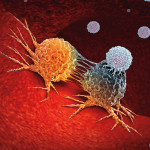
What’s more, people treated earlier in the day saw an increase in circulating CD8 “killer” T cells—the immune system’s main cancer fighters—while those in the late-treatment group showed a decline. The ratio of activated to exhausted T cells was also higher in the early-treatment group.
Treatment-related adverse events were consistent with the known safety profile of the drugs, and there were no significant differences in immune-related side effects between the early and late treatment groups.
These findings have important implications for clinical practice, “offering a simple and cost-neutral strategy that can be readily implemented without imposing additional financial burden on the healthcare system,” the study authors wrote. However, moving all treatment to the morning and early afternoon could put additional strain on busy infusion centers.
Update: Click here for a STAT report about caveats and concerns related to this study.
Click here for more news about cancer treatment.


Comments
Comments