

A one-time infusion of CAR-T therapy led to delayed HIV rebound or sustained viral suppression after stopping antiretrovirals in a small study. Best known as a treatment for cancer, chimeric antigen receptor T-cell therapy was initially developed for HIV. A first-in-humans Phase I/II trial evaluated the safety and preliminary efficacy of a duoCAR technology developed by Caring Cross. The treatment involves collecting a sample of T cells and modifying them using a lentivirus vector that encodes receptors targeting HIV’s envelope protein; the “living drug” is then reinfused back into the body. Of the six participants who received mild conditioning chemotherapy to make room for the modified T cells, one has maintained an undetectable or very low HIV viral load for nearly two years after antiretroviral treatment interruption, a second has been in remission for almost a year and a third showed transient viral control for about three months. All three started antiretrovirals soon after infection, adding to the evidence that very early treatment improves prospects for a functional cure.
Advertisement
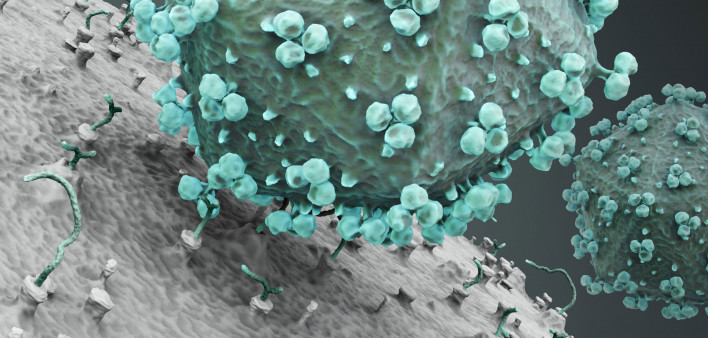
Getty Images/martynowi_cz
Cure: CAR-T for HIV
A one-time infusion of CAR-T therapy led to delayed HIV rebound or sustained viral suppression after stopping antiretrovirals.
Advertisement
Advertisement



Comments
Comments