

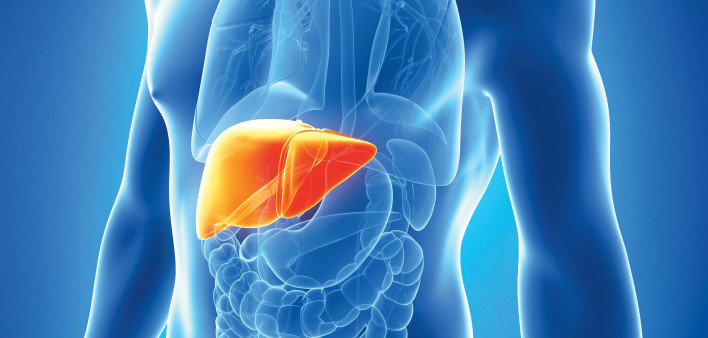
Today, people with and without HIV can have comparable outcomes after receiving a new liver. HIV-positive people used to fare worse after a liver transplant, but that was before modern antiretrovirals and effective hepatitis C treatment. In a U.S. analysis, researchers used data from the Organ Procurement and Transplantation Network to compare outcomes among HIV-positive and HIV-negative people who underwent liver transplantation between 2014 and 2024. Mortality was similar in the two groups: 19% versus 16% at five years and 24% versus 27% at eight years. Another study with longer follow-up included 85 HIV-positive and 255 HIV-negative patients in Spain who received liver transplants between 2003 and 2012 and were followed through 2025. After a median 12 years, mortality rates were comparable: 46% and 52%. Among people with HIV, deaths due to hepatitis C dropped from 56% to 6% after the advent of direct-acting antiviral therapy. These findings show that people who need a new liver should not be denied a transplant just because they have HIV.
Advertisement
YouTube/National AIDS Memorial
Concerns: Liver Transplants
People with and without HIV can have comparable outcomes after receiving a new liver.
Advertisement
Advertisement


Comments
Comments