

HIV drug resistance has declined by nearly 17% over the past decade, according to an analysis of more than 90,000 blood samples collected by Quest Diagnostics. Resistance mutations in HIV RNA, which reflects current viral replication, fell from about 30% in 2018 to about 25% in 2024. Resistance mutations in HIV DNA, which reflects “archived” inactive virus in CD4 cells, had a similar decline. Mutations conferring resistance to newer meds were generally less common thanks to increased use of modern regimens that are more potent, tolerable and convenient. Combined nucleoside/nucleotide reverse-trans-criptase inhibitor (NRTI) and non-nucleoside reverse-transcriptase inhibitor (NNRTI) resistance fell to 4% in HIV RNA and 8% in HIV DNA, while combined NRTI and integrase inhibitor resistance fell to 5% and 9%. But dual-class and triple-class resistance were more common among older people, who may have used multiple drugs. Triple-class resistance was below 0.5% in HIV RNA from younger adults but rose to 4% in HIV DNA from older people.
Advertisement
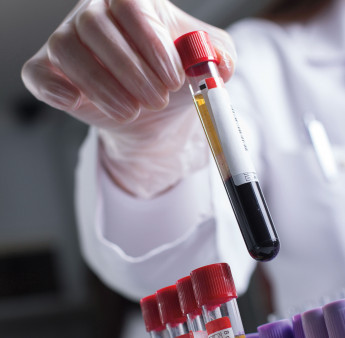
researher in white and glove hold test tube with blood
Treatment: Drug Resistance
HIV drug resistance has declined by nearly 17% over the past decade.
Advertisement
Advertisement




Comments
Comments