

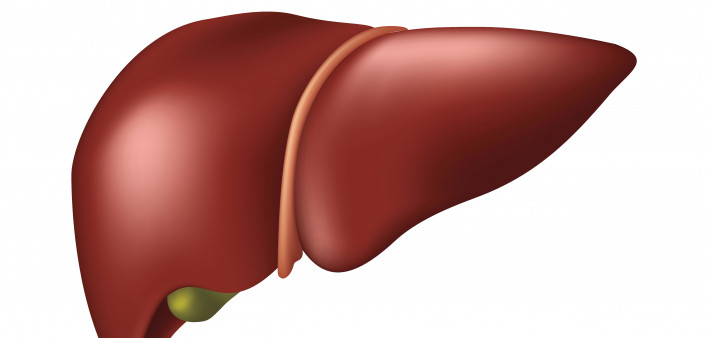
The GLP-1 receptor agonist semaglutide (Ozempic or Wegovy) not only reduces liver fat but also improves biomarkers of cardiovascular risk in people with HIV and metabolic dysfunction-associated steatotic liver disease (MASLD), according to the latest results from the Phase II SLIM LIVER study presented at the AASLD Liver Meeting in November.
MASLD and its more severe form, metabolic dysfunction-associated steatohepatitis (MASH), are responsible for a growing proportion of advanced liver disease worldwide. Around a third of people in the United States have fatty liver disease, and it’s even more common among people with HIV. Over time, the buildup of fat in the liver can lead to cirrhosis and liver cancer.
SLIM LIVER (ACTG A5371) enrolled HIV-positive people on suppressive antiretroviral therapy who had MASLD plus cardiovascular risk factors, such as obesity, a large waist circumference, insulin resistance or prediabetes. They self-administered semaglutide injections once weekly for six months. (Wegovy was approved as a treatment for MASH in August 2025.)
In 2024, Jordan Lake, MD, of UTHealth Houston, reported that liver fat decreased by 31%, and more than a quarter of participants experienced complete resolution of MASLD at six months. What’s more, they saw significant improvements in weight, waist circumference, insulin resistance and glucose and triglyceride levels. At the Liver Meeting, Lake reported that semaglutide led to favorable changes in a variety of lipoproteins, glycoproteins and inflammation biomarkers linked to cardiovascular disease. These improvements did not correlate with changes in weight, suggesting an independent mechanism.
“MASLD is increasingly recognized as a major contributor to illness and death among people living with HIV, so identifying treatments that can attenuate its impact is an important priority in HIV research,” Lake says.




Comments
Comments