

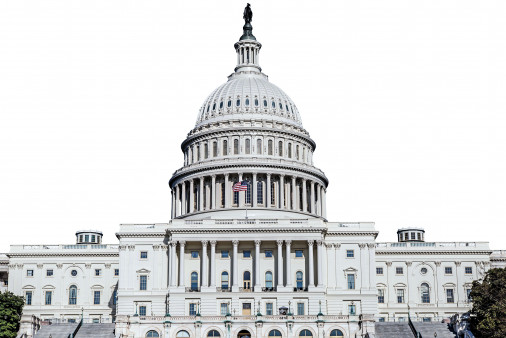
NMAC strongly condemns the Trump administration’s Fiscal Year 2026 budget proposal, which—while preserving limited HIV treatment funding—delivers a devastating blow to HIV prevention, housing and public health infrastructure, slashing more than $1.5 billion in critical investments in programs that serve people living with and vulnerable to HIV.
“This budget is a calculated attack on the very people who rely on HIV prevention, care, and housing programs to survive,” said Paul Kawata, Executive Director, NMAC. “The administration is once again proving that its priorities do not include the health or dignity of people living with HIV—especially those from marginalized communities.”
The proposed budget would:
- Eliminate all HIV prevention and surveillance funding at the CDC, stripping away the nation’s ability to track or prevent new infections.
- Zero out HUD’s Housing Opportunities for Persons With AIDS (HOPWA), which currently provides housing support to more than 55,000 households.
- Dismantle essential branches of the CDC, including HIV behavioral surveillance, communications, training, and non-laboratory research—many of which had already been defunded earlier this year through executive action, despite being fully funded by Congress.
“This isn’t just a budget—it’s a roadmap to failure,” Kawata said. “We cannot end the HIV epidemic by eliminating the very tools we need to prevent new infections, support housing stability, and gather life-saving data.”
View this post on Instagram
While the administration claims to preserve core programs, key concerns remain:
- $220 million for the Ending the HIV Epidemic (EHE) initiative at CDC would be transferred to the untested Administration for a Healthy America (AHA), raising serious questions about continuity, oversight, and effectiveness.
- Funding includes $165 million for the Ryan White HIV/AIDS Program and $157 million for PrEP services at community health centers, but those investments are dwarfed by the magnitude of what is being lost.
“Let’s be clear,” Kawata continued. “This administration is attempting to take credit for preserving EHE while simultaneously sabotaging the science, surveillance, and infrastructure that make that initiative possible.”
Additional deep cuts include:
- Elimination of Part F of Ryan White (dental reimbursements, workforce training, community-led research) – $74 million.
- Termination of the Secretary’s Minority AIDS Initiative Fund – $60 million.
- Cuts to SAMHSA’s Minority AIDS programs – $119 million.
- Collapse of hepatitis, STD, and tuberculosis prevention at CDC into a $300 million block grant—effectively cutting $77 million and erasing the opioid-related infectious disease response.
- A potential $1.3 billion cut to NIH AIDS research, if a proposed 40% reduction in NIH funding is applied proportionally.
The CDC’s HIV grant programs are also crucial to ensuring access to the 340B program, which helps clinics and pharmacies provide PrEP and other medications at reduced cost. Without this support, un- and under-insured individuals will lose vital access to care.
“The Trump administration is playing politics with public health, gambling with the lives of Black, Brown, LGBTQ, low-income, and rural Americans who have long borne the brunt of the HIV epidemic,” Kawata said. “NMAC will not stand by while decades of progress are unraveled for ideological reasons.”
NMAC calls on Congress to reject this proposal and restore full funding for HIV prevention, housing, and minority health programs. We call on lawmakers from both parties to remember: the fight to end the HIV epidemic is not over—and abandoning the communities most impacted by HIV is both cruel and shortsighted.
NMAC and NASTAD will host a joint town hall on Monday, June 9th at 12:30pm ET, discussing these proposed cuts and the resulting impacts on the HIV community. All community members are encouraged to attend. Click here to register!
This press release was published June 4, 2025, by NMAC. It is republished with permission.


Comments
Comments