

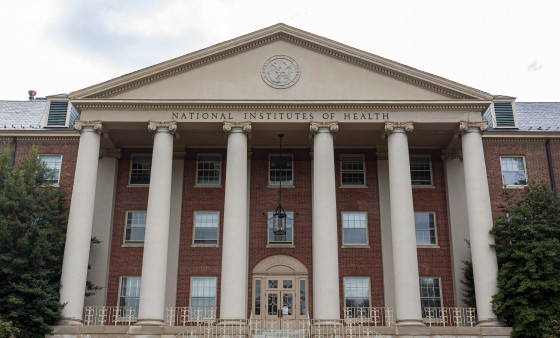
On February 7, the National Institutes of Health (NIH)—the nation’s major funder of biomedical research—announced that it would slash support for indirect costs for universities and medical centers, STAT reported.
The NIH comprises more than two dozen institutes, including the National Cancer Institute, the National Institute of Allergy and Infectious Diseases (which leads HIV and COVID-19 research), the National Institute of Diabetes and Digestive and Kidney Diseases (which includes liver diseases) and the National Institute on Aging.
Indirect costs, which NIH pays to universities, medical centers and other recipients on top of direct research grants, covers expenses such as electricity, laboratory facility costs and administrative and support staff. Many large research universities receive 50% or more in indirect costs in addition to direct research expenses. The agency proposes to reduce this rate to 15% across the board for both existing and new grants.
Last week, a federal judge ordered a temporary pause on the cuts in response to a lawsuit filed by attorneys general from 22 states. Other lawsuits were filed by associations representing universities, medical and public health schools, and hospitals in Boston and New York City. The order, by U.S. District Court Judge Angel Kelley, initially covered the 22 named states but was later extended nationwide, according to STAT.
The restraining order remains in place at least until a hearing scheduled for later this week, but uncertainty about the proposed rate cut—along with pending layoffs of NIH staff—has left university and hospital administrators and researchers reeling nationwide. While many top universities and medical centers are located in blue states, red states also have major NIH-funded research centers, such as the University of Alabama at Birmingham (known for its HIV work) and the University of Texas MD Anderson Cancer Center.
“Massive cuts to funding for the National Institutes of Health will eliminate the promise of lifesaving medical treatments for millions of Americans of all ages, topple America’s longstanding role as a global leader in innovation, leave our nation less safe and more vulnerable to disease outbreaks and bioterror attacks, and will hurt our economy,” Infectious Diseases Society of America (IDSA) president Tina Tan, MD, said in a statement.
“The funding slash strikes at the heart of biomedical research infrastructure, which will have ripple effects of halting critical studies, eliminating jobs, driving talent away from the field and hurting efforts to train the next generation of scientists.”
According to IDSA, funding cuts for infectious diseases research will delay the development of vaccines, diagnostics and treatments for:
- Emerging threats like bird flu and other respiratory illnesses
- Smallpox and other pathogens that pose a risk to national biosecurity
- Mosquito- and tick-borne diseases, including dengue, Lyme disease and West Nile virus
- Viruses most likely to cause future pandemics
- Antimicrobial-resistant bacteria and fungi
- Ebola and other hemorrhagic fevers
- HIV
- Sexually transmitted infections that are becoming more common and increasingly resistant to treatment.
“These cuts will have far-reaching consequences beyond health care. NIH research also supports thousands of jobs across the country, from doctors and scientists to lab technicians and manufacturers. Cutting funding means job losses and severe economic setbacks,” Tan continued. “The Infectious Diseases Society of America urges the administration to reverse these cuts and calls on Congress to maintain essential NIH funding to protect public health around the world and national biosecurity.”
Colleen Kelley, MD, MPH, chair of the HIV Medicine Association, also weighed in on the proposed cuts.
“The immediate and drastic cut in National Institutes of Health funding for biomedical research by changing the indirect cost reimbursement rate to research sites, including many universities, will destabilize America’s standing as the worldwide leader in driving scientific and medical innovation and discoveries that save lives and keep our country safe. Research programs across the country are dependent on sufficient funding to execute complex, cutting-edge biomedical research that advances health for all people,” Kelley said in a separate statement.
“HIV research is one of the most powerful examples of the return on investments made by NIH. It is because of NIH funding that there are incredibly effective options for treating and preventing HIV—discoveries that have improved health for millions of people in the United States and worldwide. These groundbreaking discoveries have made it possible to end HIV as an epidemic and have spurred novel treatments for cancer, viral hepatitis and tuberculosis,” she continued.
“The workforce and infrastructure needed in universities and other research sites across the country to make trailblazing research possible will crumble without sufficient funding. We urge the Administration to prioritize our nation’s health and health security and immediately suspend the reduction in the indirect cost reimbursement rate.”
In related news, see “Cancer Researchers Urge Action Against Threats to the National Institutes of Health,” by the American Association for Cancer Research.

Comments
Comments