


Receiving an HIV diagnosis can be challenging, but it also offers an opportunity to take control of your health in new and empowering ways. With the right care, people living with HIV can live long, healthy lives. In addition to starting antiretroviral treatment (ART), these lifestyle changes can help you feel better physically and mentally, support your immune system and prevent or manage any other health conditions you may have.
Eat a Healthy, Well-Balanced Diet
Nutrition is critical to managing HIV. Eating a well-balanced diet helps support your immune system and provides the energy you need to cope with the demands of daily life. Focus on eating a variety of whole foods, including:
- Fruits and vegetables for essential vitamins and antioxidants
- Whole grains for sustained energy
- Lean proteins like fish, chicken, beans and tofu to maintain muscle mass
- Healthy fats from sources like avocados, nuts and olive oil.
Additionally, you should limit your intake of processed foods, sugary snacks and excessive salt, as these can contribute to other health issues, like high blood pressure and diabetes, which are common among people living with HIV.
Get Enough Exercise
Regular physical activity is another important way to improve your overall health after an HIV diagnosis. Exercise boosts the immune system, improves mood and helps maintain a healthy weight. Aim for at least 30 minutes of moderate-intensity exercise most days of the week. This can include walking, swimming, cycling or yoga. If you’re new to exercise, start slowly and gradually increase your activity level as your body allows.
Exercise can also help manage stress, which is important for overall health. It releases feel-good hormones called endorphins, which can improve your mental health and reduce the anxiety and depression that sometimes accompany an HIV diagnosis.
Maintain a Healthy Weight
Maintaining a healthy weight is vital for managing HIV. People living with HIV are at increased risk for conditions such as high blood pressure, diabetes and heart disease, which can be more challenging to manage if you’re overweight. Your doctor can help you determine a healthy weight range based on your height, age and overall health.
If you need to lose weight, focus on doing so in a gradual, sustainable way. This includes a combination of a healthy diet and regular exercise. Conversely, if you’re underweight, work with a health care professional to develop a plan to gain weight safely.
Get Adequate Sleep
Sleep is essential for your physical and mental health, especially after an HIV diagnosis. Lack of sleep can weaken your immune system, make it harder to cope with stress and contribute to other health problems. Aim for seven to nine hours of sleep per night. If you have trouble sleeping, consider establishing a regular sleep schedule, limiting caffeine intake in the afternoon and creating a calming nighttime routine.
Quit Smoking
If you smoke, quitting is one of the best things you can do for your overall health. Smoking increases your risk for lung disease, heart disease and certain cancers—conditions that can be more common in people living with HIV. Resources such as support groups, counseling and nicotine replacement therapies can help you quit.
Get Tested for Other Infections
People living with HIV are at higher risk for other infections, including hepatitis B, hepatitis C and sexually transmitted infections (STIs). Be sure to get tested regularly for these conditions as part of your routine care. Early detection can help you manage infections before they cause complications.
Talk to Your Doctor About Vaccines
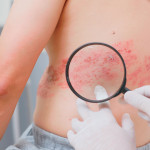
Certain vaccines are particularly important for people with HIV, as their immune systems may be weaker. Ask your doctor whether you should receive vaccines for the flu, pneumonia, shingles or hepatitis or any other condition. These can help protect you from infections that your body might struggle to fight off.
Manage Coexisting Health Conditions
Many people with HIV also live with other chronic conditions, such as diabetes, high blood pressure or heart, kidney or liver disease. Work closely with your health care team to manage these conditions and get appropriate treatment. Regular checkups, blood tests and screenings can help you stay on top of your health and prevent complications.
Conclusion
In addition to managing your HIV, it’s important to also focus on your overall health and well-being. By eating a balanced diet, staying active, managing stress and working closely with your health care team, you can improve your quality of life and live a long, healthy life with HIV.
Remember, you are not alone in this journey. Your health care team, support groups and other resources can help you along the way.
Visit POZ.com to learn more about the basics of HIV.
This content was generated with the help of artificial intelligence and reviewed by the POZ editorial team for accuracy and tone.

Comments
Comments