

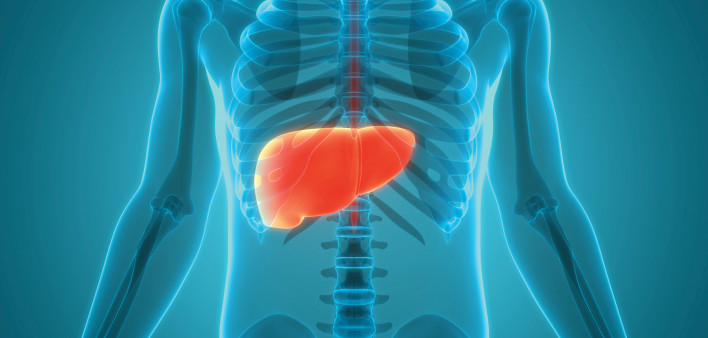
Many people living with HIV have conditions that affect the liver, including hepatitis B or C, fatty liver disease or alcohol-related liver disease. Over time, these can cause serious complications, such as cirrhosis and liver cancer. Fortunately, you can take steps to protect your liver and prevent disease progression.
The liver processes almost everything you eat, drink, breathe and absorb through the skin. It provides energy from food, stores nutrients, produces blood proteins, processes many drugs and acts as a filter to remove harmful toxins and waste products. A healthy liver is essential to a healthy life.
HIV can infect liver cells directly, and the virus can cause chronic inflammation that harms organs throughout the body. Some medications can cause liver damage, but modern antiretrovirals are generally well tolerated and do not cause serious hepatotoxicity (liver damage) like some older drugs.
The most common causes of chronic liver disease are viral hepatitis, fatty liver disease and heavy alcohol consumption.
Hepatitis B virus (HBV) and hepatitis C virus (HCV) are blood-borne infections with the same transmission routes as HIV, including shared drug injection equipment, sex and from mothers to babies. People who have one or both of these viruses in addition to HIV—known as coinfection—tend to develop more serious complications.
Most people who acquire HBV as adults clear the virus naturally and develop lifelong immunity, but about 10% will develop chronic infection. In some cases, chronic HBV is inactive and does not cause problems, but it can reactivate if immune function declines. Hepatitis B can be treated with antiviral medications, but they seldom lead to a cure. Some HIV drugs, including tenofovir, are active against both HIV and HBV, and people with coinfection should include these in their antiretroviral regimen. Fortunately, hepatitis B can be prevented with a safe and effective vaccine.
In contrast, around 75% of people with hepatitis C will develop chronic infection. While there is no vaccine for HCV, it can be treated with well-tolerated direct-acting antiviral regimens, such as Epclusa and Mavyret. More than 95% of people who complete a two- or three-month course of treatment will be cured. Hepatitis C does not confer immunity, however, and people can acquire the virus again.
Now that hepatitis B can be prevented and hepatitis C can be easily cured, fatty liver disease is a growing cause of advanced liver disease worldwide. Metabolic dysfunction-associated steatotic liver disease (MASLD) and its more severe form, metabolic dysfunction-associated steatohepatitis (MASH), are often associated with obesity and diabetes. There are now two approved MASH medications—resmetirom (Rezdiffra) and semaglutide (Wegovy)—but management largely relies on lifestyle changes such as weight loss, diet and exercise.
Regardless of the cause, symptoms of liver problems may include fatigue, loss of appetite, nausea and upper abdominal pain. Some people develop jaundice (yellowing of the skin and eyes). Increased levels of liver enzymes in the blood, including ALT and AST, can be an early sign of trouble. Many people with early liver disease have no symptoms or mild symptoms that can be mistaken for the flu. But over years or decades, it can lead to progressive liver fibrosis (scarring), cirrhosis, hepatocellular carcinoma (the most common type of liver cancer), liver failure and the need for a liver transplant. Late-stage symptoms may include swelling, abdominal bloating, internal bleeding and cognitive impairment.
People with HIV can take steps to protect their liver. These include starting and staying on antiretroviral treatment, eating a balanced diet, maintaining a healthy weight, managing such metabolic problems as diabetes, getting enough exercise, limiting use of alcohol and recreational drugs and avoiding environmental toxins.
Guidelines recommend that all people with HIV should be screened for hepatitis B and C and should be vaccinated against hepatitis A and B. Periodic liver function tests, especially after starting new meds, are used to monitor liver health. People with cirrhosis should receive regular monitoring for liver cancer. See your doctor if you develop signs of liver problems, and make sure to tell them about all drugs, herbs and supplements you are taking.




Comments
Comments