


We stand at a decisive crossroads in Texas, where public health and democracy intersect, collide, and demand bold leadership. From Dallas to communities across this state, we see parallels that hold the keys to overcoming the challenges we face—from the HIV epidemic to attacks on our democracy through gerrymandering. Texas is facing one of the worst public health outbreaks in the nation, and still lags in responding to the ongoing HIV crisis. And yet, in this moment, we also witness the strength of representation and the power of communities rising.
Texas tells a story of struggle, yes—but more importantly, it tells a story of hope. It reminds us of the grit, the long game, and the unshakable tradition of a people who have always overcome. When the voices of those most impacted are heard, when they lead, we all move closer to a future where health, equity, and democracy truly belong not just to some of us, but to all of us! In these times of crisis, it is our shared strength that allows us to rise—and rise we will.
The HIV response was never just about medicine. It was about dignity. Access to testing, treatment, and prevention changed the trajectory of the epidemic only when people had the ability to choose—when individuals could decide to get tested, to take PrEP, to begin treatment, and to live openly without fear. These choices were not imposed; they were offered, respected, and protected. That access, rooted in human rights, is what shifted HIV from a crisis to a manageable condition for millions.
We also know that choice means nothing without trust. HIV taught us that stigma, misinformation, and institutional neglect can undo the best scientific advances. Communities most impacted—Black and brown people, LGBTQ+ people, people living in the South—often faced systems that failed them. But it was precisely those communities, organizing and demanding action, that drove forward an evidence-based, compassionate response. That’s a lesson democracy must take to heart.
Democracy, like public health, thrives when people have the tools and the trust they need to participate. Voting and civic engagement are the democratic equivalent of testing and treatment: they allow communities to shape their futures. But when barriers are erected—whether voter suppression laws or bans on lifesaving care—the result is the same: disempowerment, inequity, and lives put at risk.
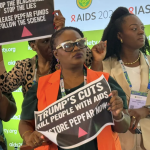
Political leadership is what bridges these two worlds. In public health, we’ve seen how leadership can expand or restrict access. Programs like the Ryan White HIV/AIDS Program, Medicaid expansion, and PEPFAR saved lives because leaders invested in them. Conversely, stigma and silence cost lives when leaders failed to act. The same dynamic shapes democracy. Voting rights protections, investment in civic participation, and the defense of democratic norms all depend on the choices made by leaders—and those choices have a ripple effect on the lives of every individual.
Freedom, in both contexts, is not abstract. It is tangible. It is the freedom to know your HIV status, to choose treatment that lets you thrive, to love openly without stigma. It is the freedom to cast a ballot, to have a say in the laws that govern your life, and to live in a society where your voice matters. In both cases, freedom is realized only when individuals are empowered with knowledge, access, and choice.
That is why leadership matters now more than ever. We cannot take for granted the progress made against HIV or the rights won in our democracy. Both remain fragile. To safeguard them, leaders must act with courage—to defend science and truth, to protect the right to vote, to expand access to care, and to affirm every person’s dignity.
The lesson of HIV is clear: choice saves lives. The lesson of democracy is just as urgent: choice sustains freedom. When we invest in public health and defend democracy, we are making the same fundamental commitment—to trust people, to empower them, and to let them decide their own futures.
As leaders, as advocates, and as a nation, we owe nothing less.
Venton Jones, Texas House Minority Whip and CEO of the Southern Black Policy and Advocacy Network, and Kelley Robinson, President of the Human Rights Campaign



Comments
Comments