

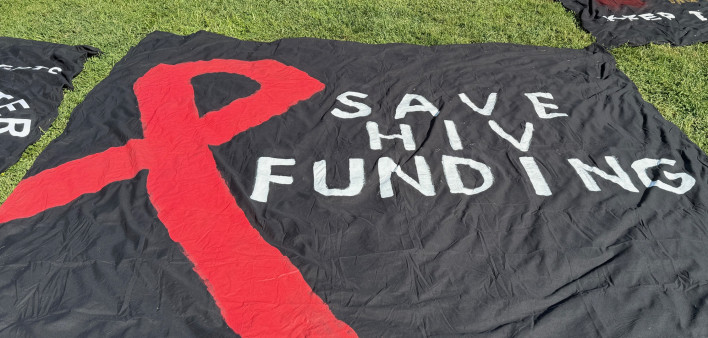
The Save HIV Funding (SHF) Campaign opposes the FY27 Labor, Health and Human Services, Education and Related Agencies (LHHS) funding bill voted out of the House LHHS Appropriations Subcommittee last week. Despite serious shortfalls in access to HIV prevention, care and treatment emerging in states across the nation, majority leaders of the House LHHS Appropriations Subcommittee have proposed an FY27 funding bill that would cut more than a billion dollars from HIV programs. The SHF Campaign urges Congress to reject this cruel bill that would reduce access to life saving HIV treatment, care and prevention programs — putting the lives of people living with HIV at risk — while reducing health outcomes and increasing costs. The Campaign also urges the Senate to once again lead with a bipartisan bill that would increase funding for these important programs while also providing guardrails that would safeguard the prompt allocation of FY27 funds to grantees and without restrictions that would increase barriers to HIV and related care.
Cuts to Medicaid and health insurance subsidies, chronic flat federal funding, and increased healthcare costs have led to a crisis in HIV care. Dozens of state AIDS Drug Assistance Programs (ADAPs) are reducing their services and implementing or considering implementing waitlists for lifesaving HIV medication. Clinics nationwide are facing reduced support, making many unable to provide ready access to the comprehensive care required to help people living with HIV stay healthy and able to more easily live, work, and care for their families and communities. To reduce the impact of HIV care and treatment shortfalls resulting from contracting funding and reduced Medicaid and private insurance coverage, jurisdictions are eliminating critical HIV prevention programs, putting communities at risk for rises in new HIV cases.
The Ryan White Program delivers comprehensive HIV care and treatment services to approximately half of the people living with HIV in the U.S. 91.4% of Ryan White Program treatment clients are virally suppressed, which not only allows people to live long and healthy lives, but also prevents the transmission of HIV. In contrast, for people who receive HIV care outside of the Ryan White Program, only 67.2% are virally suppressed. The Ryan White Program has been flat funded since 2014, resulting in an approximately 42% cut to program funds when accounting for healthcare inflation during that time. NASTAD’s most recent ADAP Watch found that 19 state ADAPs, that are funded in part by Ryan White Part B resources, are projecting a budget deficit for the current year. Given these significant funding challenges, robust increases for the Ryan White Program are needed to ensure ready access to effective HIV care and treatment. The House proposal of a $225 million cut to the program would effectuate a return to treatment waitlists and a dramatic increase in the 5,000 Americans who still die of AIDS-related causes each year.
The FY27 House LHHS spending bill also proposes an almost $800 million cut to HIV prevention programs at CDC. Approximately 90% of funding for CDC’s Division of HIV Prevention (DHP) goes directly to state health departments, local health departments, and community-based organizations for vital HIV surveillance, testing, linkage to care, and rapid response services for HIV outbreaks. By proposing devastating cuts to DHP, House appropriators are greatly undermining state surveillance systems and effective HIV prevention programs. Such underinvestment in prevention services would result in increased HIV transmission and carry both a steep human and financial cost. Estimates assess that each new HIV infection can lead to additional lifetime healthcare costs between $500,000 and $1 million. Given that there are currently nearly 32,000 new HIV cases a year, a failure to halt preventable new cases of HIV would increase costs even more than the current $16 to $32 billion dollars added each year in lifetime health care costs for people living with HIV.
Finally, Medicaid cuts and draconian work requirements likely will result in approximately 10 million newly uninsured people, including people living with HIV. As a payer of last resort, the Ryan White Program will need to support access to HIV care and treatment for many more people, and CDC HIV prevention resources will be needed more than ever.
Last year, the SHF Campaign beat back $2 billion in proposed cuts for FY26. This year, holding the line is not enough - communities nationwide need increased funding just to sustain HIV programs and ensure access to care.
SHF Campaign urges people living with HIV, their families and communities, advocates, and HIV stakeholders nationwide to demand funding increases for HIV programs by visiting the campaign’s latest action alert (https://savehivfunding.org/fy27hivfunding/) and/or by calling 888-308-9143 to automatically connect to your senators and representative.
This press statement was originally published June 9, 2026, by PrEP4All and Save HIV Funding.


Comments
Comments