

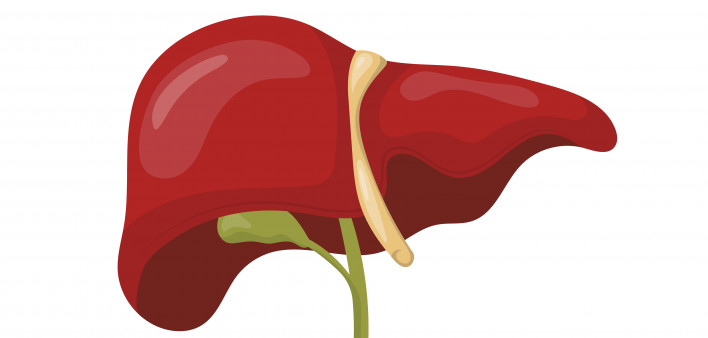
On the second Thursday in June, Global Fatty Liver Day (formerly International NASH Day) spotlighted one of the most widespread yet under-addressed health threats of our time: fatty liver disease, increasingly referred to as steatotic liver disease in clinical settings.
Hosted annually by Global Liver Institute (GLI), this public awareness campaign raises awareness of this silent epidemic and its deep roots in global metabolic health challenges.
Fatty liver disease, including metabolic dysfunction-associated steatotic liver disease (MASLD), metabolic dysfunction-associated steatohepatitis (MASH) and metabolic dysfunction-associated alcohol-related liver disease, impacts millions globally—yet most remain undiagnosed and untreated. Once considered rare, fatty liver disease has surged in parallel with rising rates of obesity, diabetes and other metabolic conditions.
An estimated 30.2% of the global population now lives with MASLD, with rates soaring to 57.5% among adults with obesity. In the United States alone, more than 122 million adults are projected to be affected by 2050.
Larry R. Holden, president and CEO of GLI, stated, “The liver is no longer the silent organ. Fatty liver disease is now one of the clearest and most urgent signs of global metabolic dysfunction. On Global Fatty Liver Day, we call on health care leaders, policymakers and the public to recognize the liver’s central role in preventing not just liver disease but cardiovascular disease, diabetes and other noncommunicable diseases. Liver health must rise to the top of public health agendas globally.”
Fatty liver disease develops when excess fat accumulates in the liver, often without symptoms in its early stages. Left unaddressed, it can progress to inflammation, fibrosis, cirrhosis, liver cancer and even death. In fact, MASH is now one of the leading causes of liver transplantation in the United States.
But fatty liver disease doesn’t occur in isolation: Up to 75% of people with type 2 diabetes also have MASLD; over 70% of people with MASLD also live with obesity; and between 20% and 80% of individuals with high cholesterol or triglycerides are also affected by fatty liver disease.


Comments
Comments