

In the era of highly effective antiretroviral treatment, cancer is a leading cause of illness and death for people living with HIV. HIV-positive people are at greater risk for some cancers compared with the general population, and they may develop cancer at a younger age, but rates of most malignancies are similar.
Screening can detect several cancers at an earlier, more treatable stage. In general, screening recommendations are the same for HIV-positive and HIV-negative people, and the HIV Medicine Association (HIVMA) advises following guidelines from the U.S. Preventive Services Task Force (USPSTF) and the American Cancer Society.
Cervical and anal cancer: These malignancies are caused by human papillomavirus (HPV), a common sexually transmitted infection. People with HIV are at higher risk. Screening includes Pap tests (cytology) to collect a cell sample for examination under a microscope and HPV tests. Follow-up involves colposcopy or anoscopy, which use a lighted magnifying instrument to view the cervix or anal canal.
For cervical cancer, national HIV guidelines recommend cytology screening for women ages 21 and older at the time of HIV diagnosis and then yearly; after three normal tests, the interval can be every three years, with no upper age limit. Those ages 30 and older may also be tested for HPV. The first anal screening guidelines for people with HIV were issued last year after a large study showed that screening and prompt treatment can prevent progression to anal cancer.
Breast cancer: A mammogram (low-dose X-ray) is the primary method of breast cancer screening. The USPSTF recommends screening mammograms every two years for women ages 40 to 74 at average risk. Those at higher risk may benefit from more frequent screening.
Colorectal cancer: The USPSTF recommends colon and rectal cancer screening for adults ages 45 to 75 at average risk. People at increased risk may need earlier screening. Options include a colonoscopy every 10 years, flexible sigmoidoscopy every five years or stool tests every year. A colonoscopy uses a flexible lighted tube to view the colon. Tests that look for blood or cancer DNA in a stool sample collected at home are not as accurate, but some people are more likely to get them done.
Liver cancer: Chronic hepatitis B or C, heavy alcohol use and fatty liver disease can lead to cirrhosis and liver cancer. Screening is not recommended for the general population. Experts recommend semiannual liver cancer screening using ultrasound scans and alfa-fetoprotein blood tests for people with cirrhosis. HIVMA advises surveillance for those with hepatitis B coinfection or a history of hepatitis C and advanced liver fibrosis.
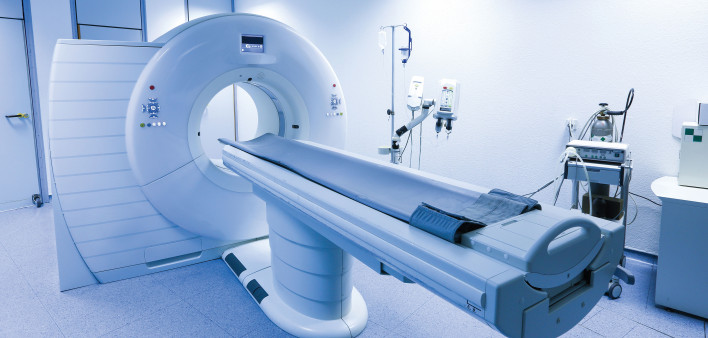
Lung cancer: Screening with chest CT scans is not recommended for the general population. The USPSTF recommends annual scans for people ages 50 to 80 with a 20-pack-year smoking history who currently smoke or have quit within the past 15 years. The American Cancer Society advises screening for people in this age group regardless of how long ago they quit.
Prostate cancer: Screening with prostate-specific antigen (PSA) blood tests can detect aggressive prostate cancer early, but routine testing can also find slow-growing precancer or malignancies that never would have become life-threatening. According to the USPSTF, men ages 55 to 69 should make an individual decision about PSA testing with their health care provider, taking into account personal preferences and risk factors. The American Cancer Society recommends that men at average risk should discuss PSA screening starting at age 50 or as soon as age 40 for those at higher risk.
Skin cancer: Regular visual examination of the skin can detect abnormal growths that might be cancerous. When performing a self-exam, check all parts of the body, including the palms and soles, scalp and ears. Look for moles that are large, oddly shaped or have changed in size, shape or appearance. Regular skin exams are especially important for people with weakened immunity.
HIVMA advises clinicians treating people with HIV to regularly ask about cancer risk factors and encourage recommended screenings. Consult your doctor promptly if you experience symptoms that might suggest cancer.



Comments
Comments