

Below is a list of documentary films about HIV and AIDS. Click on a title to read more about each film. Most of these documentaries are available to stream or purchase. Something missing? Click here to send us your recommendations.
- 5B
- Absolutely Positive
- Author: the JT Leroy Story
- Bully. Coward. Victim. The Story of Roy Cohn
- Chemsex
- Commitment to Life
- Common Threads: Stories from the Quilt
- deepsouth
- Don Quixote in Newark
- Ending HIV in America
- Frontline: The Age of AIDS
- Gert’s Boys
- Howard
- How to Survive a Plague
- I Am Because We Are
- Jam
- Kiki
- Larry Kramer: In Love & Anger
- My Friend, The Mayor: Small Town Politics in the Age of Trump
- Memories of a Penitent Heart
- Pandemic: Facing AIDS
- Positively Naked
- Rock Hudson: All That Heaven Allowed
- Sex Positive
- Silverlake Life: The View from Here
- Strike A Pose
- Uncle Howard
- United in Anger: A History of ACT UP
- Vito
- We Were Here
Click here for a list of feature films about HIV and AIDS.
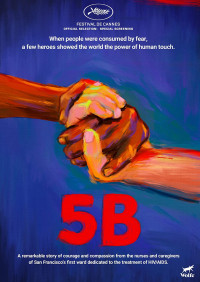
5B is an inspiring true story of everyday heroes—the nurses and caregivers who took extraordinary action to comfort, protect, and care for the patients of the first AIDS ward in the United States. Stirringly told through first-person testimonies, the film captures the voices of those who built Ward 5B at San Francisco General Hospital in 1983, including the compassionate staff, the patients, their loved ones, and the volunteers who pioneered care rooted in dignity, humanity, and holistic well-being during a time of fear and uncertainty. The result is a candid, bittersweet, and uplifting tribute to a pivotal moment in American history—and a long-overdue celebration of the quiet heroes whose courage and compassion still resonate today.
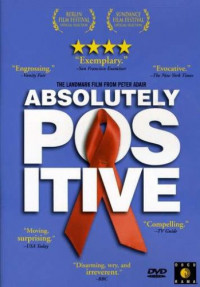
A powerful documentary that profiles 11 men and women living with HIV. Through intimate, first-person interviews, the film explores their diverse experiences, fears, and resilience in the face of the AIDS crisis. Avoiding sensationalism, it offers a deeply humanizing and hopeful portrait of people confronting illness with courage, honesty, and dignity.

Author: The JT Leroy Story (2016)
A gripping documentary that unravels the fascinating literary hoax behind the persona of JT LeRoy, a young, transgender, HIV-positive former sex worker who captivated the literary world in the late 1990s and early 2000s. The film tells the story of Laura Albert, the woman who created and wrote under the JT LeRoy identity, blending confession, archival footag and voice recordings to explore themes of identity, authorship and deception. As the layers of the persona are peeled back, the film examines the blurry lines between truth and fiction, and the emotional complexities behind one of literature’s most controversial figures.
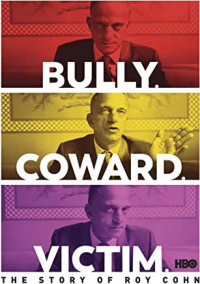
Bully. Coward. Victim. The Story of Roy Cohn (2019)
A documentary about the infamous attorney Roy Cohn, a powerful and deeply controversial figure in American politics. From his role in the McCarthy hearings to his mentorship of Donald Trump, Cohn built a career on aggression, manipulation and secrecy—all while hiding his own identity as a gay man. Blending archival footage, interviews and never-before-seen materials, it paints a complex portrait of a man who was, at once, a bully, a coward and a victim.
Traversing an underworld of intravenous drug use and weekend-long sex parties, Chemsex tells the story of several gay men struggling to make it out of ’the scene’ alive—and one health worker who has made it his mission to save them. While society looks the other way, this powerful and unflinching film uncovers a group of men battling with HIV, drug addiction and finding acceptance in a changing world.
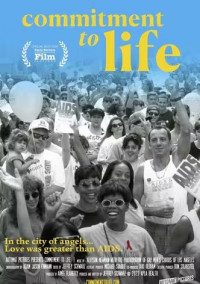
Against a rich Hollywood backdrop, Commitment to Life documents the true story of the fight against HIV/AIDS in Los Angeles—and how an intrepid group of people living with HIV/AIDS, doctors, movie stars, studio moguls and activists changed the course of the epidemic.
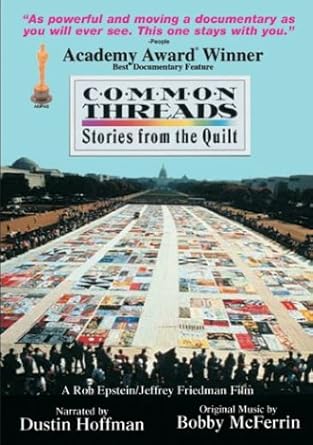
Common Threads: Stories from the Quilt (1989)
A powerful documentary that weaves together the personal stories of people who died of AIDS-related causes and memorialized in the AIDS Memorial Quilt. Narrated by Dustin Hoffman, the film follows five individuals from diverse backgrounds, using interviews with their loved ones, archival footage, and images of the quilt panels created in their honor. Set against the backdrop of the AIDS crisis and the government’s slow response, Common Threads is both an emotional tribute and a political statement, highlighting the human cost of the epidemic and the resilience of the communities affected. It won the Academy Award for Best Documentary Feature in 1990.
A documentary film about the neglected HIV/AIDS crisis in the rural American South. Beneath layers of history, poverty and now soaring HIV infections, three Americans redefine traditional Southern values to create their own solutions to survive.
A documentary that follows Dr. James Oleske, a pediatrician working in Newark, New Jersey, during the early 1980s. When Oleske noticed symptoms in children that mirrorred a new disease—then thought to only affect gay men and drug users—he faced strong skepticism from medical authorities and the press. Undeterred, he teamed up with mothers and grandmothers to carry out frontline research at an local hospital. Their work led to the first published account of AIDS in children and changed both the medical understanding of the disease and how care is delivered. The film weaves together the early struggle with childhood AIDS and Oleske’s ongoing commitment to care in his community, presenting a story of perseverance, compassion and hope amid crisis.
Frontline: The Age of AIDS (2006)
Frontline: The Age of AIDS is a comprehensive documentary tracing the global history of the HIV/AIDS epidemic over 25 years. It examines the medical, political, and social responses to the crisis—from the first cases in the U.S. to the worldwide impact—featuring voices of scientists, activists and people living with HIV. The film explores how denial, stigma and inaction shaped the epidemic, and how breakthroughs in treatment and global awareness transformed the fight against AIDS.
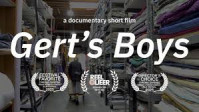
Produced and directed by Sara L. Schwartz, and co-produced and edited by Michael Bodie, Gert’s Boys is a short documentary about Cindy “Gert” McMullin, co-founder and caretaker of the AIDS Memorial Quilt, and the hundreds of friends she loved and lost during the AIDS crisis. Through personal stories and reflections, the film explores grief, chosen family, activism, and remembrance. Launched in San Francisco’s Castro neighborhood in 1987 as a call for public and government action on AIDS, the Quilt has grown into the world’s largest community folk art project, with more than 50,000 panels honoring over 110,000 lives lost to AIDS. Today, the National AIDS Memorial serves as steward of the AIDS Memorial Quilt and its ongoing mission to educate and inspire action through remembrance and storytelling. Known as the Mother of the Quilt, Gert continues to care for the panels (“her boys”) in an Oakland warehouse. The film follows her experiences caring for four of them: David, Roger, Jack, and Joey, while becoming an activist herself. Watch on YouTube.
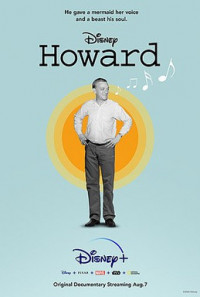
The story of songwriter Howard Ashman who penned the lyrics for Little Shop of Horrors, The Little Mermaid, Aladdin and Beauty and the Beast before he died of AIDS-related complications at the height of the AIDS crisis in 1991.
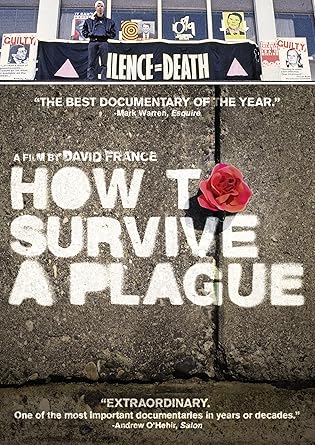
How to Survive a Plague (2012)
This Oscar-nominated film is the story of two coalitions—ACT UP and TAG (Treatment Action Group)—whose activism and innovation turned AIDS from a death sentence into a manageable condition. Despite having no scientific training, these self-made activists infiltrated the pharmaceutical industry and helped identify promising new drugs, moving them from experimental trials to patients in record time. With unfettered access to a treasure trove of never-before-seen archival footage from the 1980s and ’90s, filmmaker David France puts the viewer smack in the middle of the controversial actions, the heated meetings, the heartbreaking failures, and the exultant breakthroughs of heroes in the making.
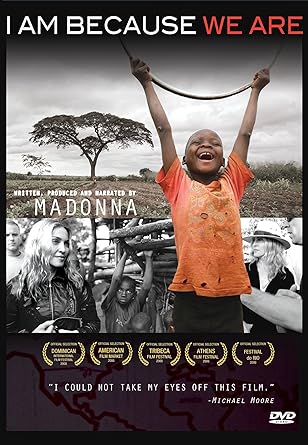
I Am Because We Are is a documentary set in the African nation of Malawi, where disease, poverty and famine have taken a horrible toll, especially on young people. Written, produced and narrated by Madonna, the film reveals the daily struggles faced by several orphaned children in the country and shows how local culture, tradtion and silence arounds AIDS compunds their challenges. I Am Because We Are also features interviews with a number of people working to alleviate the ongoing tragedy in Malawi, including Bill Clinton, Bishop Desmond Tutu and Jeffrey Sachs.

Jam is a documentary that follows Tim Patten and the America Roller Derby League (former roller derby stars in their 50s and 60s) as they try to revive the sport, reclaiming its former glory. Diagnosed HIV positive in 1983, Tim believes his passion for roller derby gives him strength and purpose. Over the course of several years, we see the players coping with aging bodies, financial challenges, personal drama and the difficulties of keeping a fringe sport alive. Alongside the ups and downs of reopening venues and recruiting fans, the film also depicts Tim’s personal life: caring for his partner David, who is dying of AIDS, clashing with competitors and pushing forward against long odds. Jam is both humorous and heartbreaking, a portrait of perseverance, resilience and community in the face of loss and struggle.

A captivating look into the daily lives of a group of LGBTQ youth who comprise the “kiki” scene as they prepare for and perform at fierce and exuberant ballroom competitions in New York City.
“Larry Kramer: In Love & Anger”
Larry Kramer: In Love & Anger (2015)
A biographical documentary about Larry Kramer—playwright, author, and one of the most outspoken AIDS and gay rights activists of modern American history. The film traces Kramer’s life from his early years writing novels and plays (including Faggots and The Normal Heart), through his co‑founding of Gay Men’s Health Crisis and his leadership role in forming ACT UP. It weaves together archival footage, interviews and present‑day reflections to highlight Kramer’s anger, courage, and unwavering confrontation of indifference—whether from governments, medical institutions or society at large—in the face of the AIDS crisis. The documentary also shows Kramer in more vulnerable moments: his health struggles (including living with HIV and undergoing a liver transplant), and his personal life, including his long relationship with David Webster.
Memories of a Penitent Heart (2016)
A personal documentary directed by Cecilia Aldarondo, that pieces together the life and death of her uncle, Miguel Dieppa, an aspiring actor and playwright who died of AIDS when she was just a child. Using home movies, letters, photographs, interviews, and archival footage, Aldarondo embarks on a journey to uncover what her family never fully discussed: Miguel’s homosexuality, his 12‑year relationship with a partner named Robert (later Father Aquin), and the tensions between him and his deeply religious mother. As she digs into the past, Aldarondo confronts the ways faith, shame, and denial shaped her family’s response to Miguel’s illness and identity. The film reveals how religious belief was used both as solace and as an instrument of repression.

My Friend, The Mayor: Small Town Politics in the Age of Trump (2020)
The documentary follows AIDS activist and POZ founder Sean Strub’s two‑month campaign for mayor in Milford, Pennsylvania, a small conservative town that supported Donald Trump. Strub, a longtime HIV survivor and organizer, brings his experience in activism to local politics—running not as a partisan outsider, but as a neighbor hoping to connect with constituents on everyday issues. The film highlights how grassroots democracy works (and struggles) in small‑town America, showing how identity, community, and politics intersect in the age of polarization.
A powerful documentary directed by Rory Kennedy that offers an intimate, global perspective on the human impact of the HIV/AIDS epidemic. The film weaves together five poignant stories from different corners of the world, illustrating the diverse ways in which individuals and families are affected by the virus.
No clothes. No apologies. This film marks artist Spencer Tunick’s third ’naked’ documentary which feature photo installations that create art from the naked bodies of men and women. In this installation, 85 HIV-positive men and women gather in a downtown Manhattan bar where they bare it all for Tunick—and the 10th anniversary cover of POZ magazine—creating an unsentimental look at life with AIDS in America today.
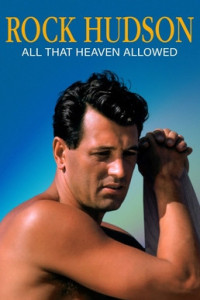
Rock Hudson: All That Heaven Allowed (2023)
A documentary that explores the life of the Hollywood icon Rock Hudson, known for his roles in the 1950s/60s and for being one of the first major celebrities to die of AIDS-related causes. The film traces Hudson’s rise to stardom as a handsome romantic lead, while also examining the tensions of his private life: living as a closeted gay man under immense public scrutiny, the studio-engineered persona, and the secrecy enforced by his agents and the media. When Hudson was diagnosed with AIDS it became impossible to keep his private life separate. The documentary looks at how his public disclosure in 1985 transformed him into a tragic symbol of the epidemic, forcing society to confront its fears and prejudices around the disease.
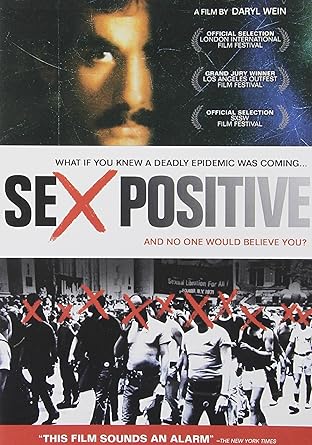
A compelling documentary that chronicles the life of Richard Berkowitz, a pioneering gay activist whose early advocacy for safe sex in the 1980s was met with resistance from within the gay community. The film delves into Berkowitz’s transformation from a gay S&M hustler to a vocal AIDS activist, highlighting his collaboration with Michael Callen and Dr. Joseph Sonnabend to promote safer sexual practices at a time when the mainstream response to the AIDS epidemic was insufficient. Despite facing backlash and being labeled as “sex-negative,” Berkowitz’s efforts were instrumental in shifting public health discourse toward safer sex practices. Through archival footage and interviews, Sex Positive offers an insightful look into the challenges and triumphs of early AIDS activism.
Silverlake Life: The View from Here (1993)
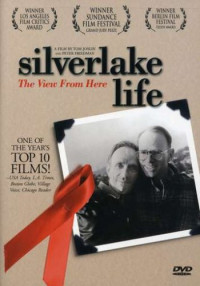
A poignant documentary directed by Tom Joslin and Peter Friedman that intimately chronicles the final months of Joslin’s life as he and his partner, Mark Massi, both battle AIDS in the early 1990s. Shot with a handheld video camera, the film offers an unflinching, first-person perspective on the physical and emotional challenges they face, from medical appointments to daily routines, all while navigating the complexities of their relationship and impending mortality.
This documentary reunites the male dancers from Madonna’s iconic 1990 Blond Ambition World Tour and revisits their lives 25 years later. It explores their journeys through fame, identity, and the profound impact of the HIV crisis, offering an intimate portrait of resilience and activism in LGBTQ+ history.
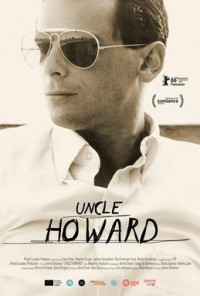
An intertwining tale of past and present this Award Winning Sundance documentary rediscovers NYC filmmaker Howard Brookner and his body of work, unveiled by his nephew, after being buried in William S. Burroughs bunker for over 30 years.
“United in Anger: A History of ACT UP”
United in Anger: A HIstory of ACT UP (2012)
This unique documentary combines startling archival footage that puts the audience on the ground with the activists and remarkably insightful interviews from the ACT UP Oral History Project to explore ACT UP (the AIDS Coalition to Unleash Power) from a grassroots perspective.
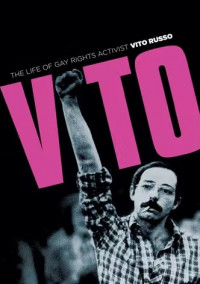
In the aftermath of Stonewall, a newly politicized Vito Russo found his voice as a gay activist and critic of LGBTQ+ representation in the media. He went on to write The Celluloid Closet, the first book to critique Hollywood’s portrayals of gays on screen. During the AIDS crisis in the 1980s, Vito became a passionate advocate for justice via the newly formed ACT UP, before his death in 1990.
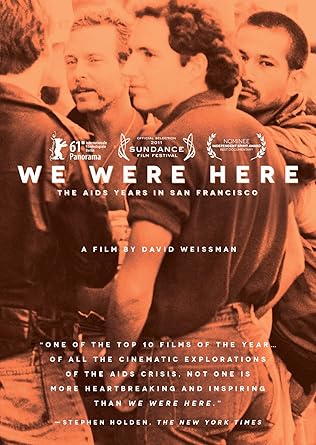
A powerful documentary that chronicles the early years of the AIDS epidemic in San Francisco through the personal stories of five individuals directly affected by the crisis. Through candid interviews, archival footage, and reflections, the film captures the fear, loss, activism, and community spirit that defined the city’s response to AIDS in the 1980s and 1990s. It’s a moving tribute to the resilience and courage of those who lived through one of the most challenging chapters in LGBTQ+ history.