

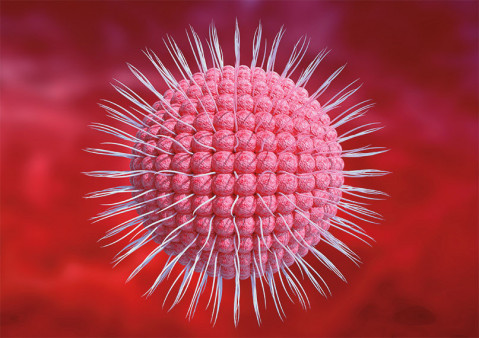
People with HIV who get vaccinated against shingles can lower their risk for heart and cognitive problems and death, according to research presented at IDWeek. The two-dose shingles vaccine (Shingrix) is recommended for people over age 50 in the general population, but federal guidelines recommend it for all adults living with HIV.
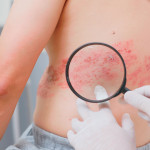
Shingles is caused by varicella-zoster virus (VZV), a virus in the herpes family. After recovery from chickenpox, VZV establishes latent infection in nerves near the spine and can reactivate later in life to cause shingles, characterized by a painful skin rash. Studies show that VZV also increases the likelihood of cardiovascular, neurological and other long-term complications. Ali Dehghani, DO, and George Yendewa, MD, MPH, of Case Western Reserve University School of Medicine, asked whether shingles vaccination lowers the risk of these complications.
In an analysis of more than 174,000 adults ages 50 and older in the general population, vaccinated people had a 25% lower risk of heart attack or stroke, a 50% lower risk of vascular dementia and a 21% lower risk of death. In a second analysis of more than 5,000 people with HIV, the vaccine was associated with a 30% reduction in major cardiovascular events, a 48% reduction in dementia and a 46% reduction in all-cause mortality. The researchers suggested that the shingles vaccine could offer “cardio-cognitive protection” and should be bundled into comprehensive HIV care.

Comments
Comments