


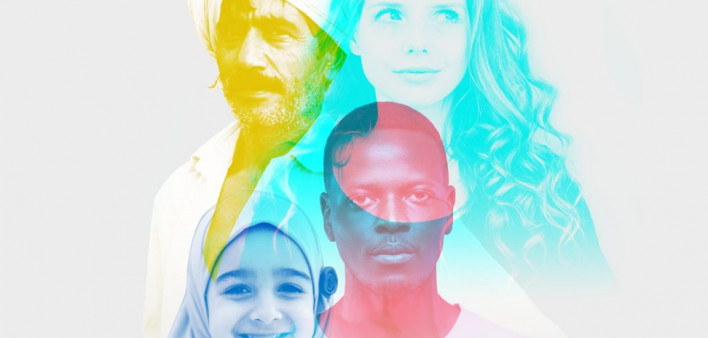
On March 21st we will mark the International Day for the Elimination of Racial Discrimination, a day that reminds us of our collective responsibility to dismantle the structures that uphold racism, exclusion, and inequity. But in 2025, this responsibility is even more urgent as we face a rising tide of backlash against diversity, equity, and inclusion (DEI). Nowhere is this backlash more damaging than at the intersection of HIV stigma and racial discrimination.
HIV stigma does not exist in a vacuum, with marginalized communities most affected by institutional and societal prejudices. It is deeply intertwined with racism, gender discrimination, homophobia, transphobia, and classism. These layers of stigma fuel discrimination in healthcare settings, employment, education, and broader society, perpetuating inequities that disproportionately impact marginalized communities that are currently under siege.
Black, Latinx, and Indigenous communities in the United States, for example, continue to experience higher HIV prevalence and poorer HIV and other health outcomes, not because of individual behaviors, but due to systemic barriers that hinder access to culturally responsive healthcare services. This reality is exacerbated by structural racism in medicine, where racial and ethnic minorities often face lower quality of care, longer wait times, and biases that undermine trust in healthcare providers.
Research confirms that stigma and discrimination are key drivers of HIV-related health disparities. A 2022 study by the US Centers for Disease Control and Prevention (CDC) found that Black and Latino men who have sex with men (MSM) were significantly less likely than their White counterparts to be prescribed pre-exposure prophylaxis (PrEP), despite having higher rates of new HIV diagnoses. The reasons for this disparity are clear: racial biases among healthcare providers, systemic economic inequities, and the stigmatization of sexual health discussions within communities of color.
The intersection of HIV stigma and racial discrimination has dire consequences. People living with and affected by HIV from marginalized backgrounds often face delayed or denied healthcare due to provider bias, employment discrimination that exacerbates barriers to economic security, and criminalization, with laws that disproportionately target Black and Brown individuals for HIV exposure and non-disclosure. These consequences are not theoretical; they are real, lived experiences that lead to premature deaths, preventable infections, and generational cycles of inequity.
Amid ongoing efforts to address systemic inequities, a growing backlash threatens to undo decades of progress in racial and health justice. We are now witnessing executive and legislative actions in the United States to dismantle DEI initiatives, ban discussions of race and LGBTQ+ issues in education, and roll back protections for historically marginalized groups. Healthcare is not immune to this assault.
Policies banning DEI efforts in public health undermine the foundation of equitable healthcare. These bans suppress essential conversations about racial disparities in health, weaken the health workforce’s cultural competency, and reinforce the status quo of systemic discrimination. In relation to HIV, this means fewer public health programs targeted at communities disproportionately affected by HIV.
As we prepare to mark this year’s International Day for the Elimination of Racial Discrimination, we must reaffirm our commitment to dismantling the forces of stigma, discrimination, and inequity. Actioning this commitment requires urgent and sustained action to defend and expand DEI in healthcare and beyond, with people living with and affected by HIV, notably from marginalized communities, must be at the forefront of policy discussions, healthcare reforms, and public health campaigns.
We must make clear that policies that promote racial equity and HIV justice are essential, not optional. We must resist legislative attacks on DEIA and support organizations and leaders working to uphold these principles. Moreover, we must continue to challenge HIV criminalization laws, racialized barriers to PrEP and treatment, and systemic biases in healthcare through advocacy, litigation, and community organizing.
HIV stigma and racial discrimination are not separate battles; they are one fight. The same forces that seek to erase DEI from public health and other institutions are the ones that uphold systemic inequities in HIV prevention, treatment, and care. We must push back. We must speak out. We must hold policymakers, healthcare institutions, and ourselves accountable. The fight for racial justice is the fight for HIV justice. And that fight is far from over.
This Zero HIV Stigma blog was written by Dr. José M. Zuniga, who is President/CEO of the International Association of Providers of AIDS Care (@IAPAC) and the Fast-Track Cities Institute (@FTC2030).




Comments
Comments