


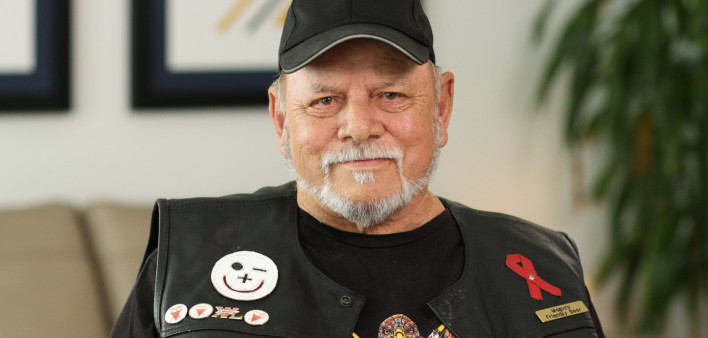
Butch McKay never got the recognition he deserved for having founded and produced the Positive Living Conference for 27 years, powerfully building community and modeling kindness, consideration and respect for others, including the deceased, in so many ways. Craig Washington’s excellent “final interview” in POZ tells Butch’s story far better than I can. I was particularly struck by the fact that Butch didn’t even start the Positive Living conference until he was 50 years old. The example that sets for so many people living with HIV who are in their 30s, 40s, 50s or older, is important. It shows how one person’s initiative—even as they approach middle-age—can lead to such powerful outcomes, including changing lives.
There are a number of excellent HIV-related conferences that address science, service delivery, stigma and all sorts of other aspects of the epidemic. Each is important in its own way. What is so meaningful about Positive Living is how it is driven by the participation and priorities of people who are themselves living with HIV. Even more remarkble was that Butch, its founder and leader, did not have HIV.
Michael Callen, the legendary early AIDS activist (and musician, writer and sex radical) used to say “there was something special” about a room full of people living with HIV. The conversation is different. He meant that when it was a room full of people who have the virus the attendees were less judgemental and listened better to each other better. They showed greater respect and allowed for voices, perspectives and ideas to come forth that might have otherwise remained unheard, misundersood or unknown. That’s what Butch created with Positive Living. For years it has been one of the largest annual gatherings of people with HIV in the U.S. It deserves support and the funding to not just survive, but to expand and grow.
Butch and I were not close friends, but he knew how much I admired him and how frequently I cited Positive Living as an empowering experience worthy of participation and emulation. For an entire generation—longer than a quarter of a century—Positive Living has provided essential training for emerging activists in Florida and the Southeast, as well as others whose impact has been nationally or globally important. Anyone whose own activist journey has included participation at Positive Living, or mentorship from a Positive Living alum, honors Butch everyday with their ongoing commitment.
Finally, at the very end of Craig’s interview, he asks Butch how he takes care of himself. Part of Butch’s answer was “Maybe my salvation has been our AIDS Memorial page. Every night when I get into bed, I read every post that had been posted that day. It’s that each one of those stories, when I’ve lost so many people, I can read that story, but I’m seeing the name of my friend. I’ve gone through lots of pillows. I shed a lot of tears at night. But they’re healing too. So that page has been my salvation and helped me to finally deal with my grief. So that takes care of me.”
The AIDS Memorial Page is found on Instagram and Facebook and anyone can post a memory or tribute concerning someone who died from AIDS. I read every post and have posted tributes to several friends. Reading Butch described the page as his “salvation” resonated with me, as I realized how important it has been to me as well, both in processing grief and navigating my own survival.
Butch’s contributions to the AIDS Memorial Page were remarkable. Not only did he write detailed, moving tributes to friends and people he knew who died, but he frequently commented on tributes posted by others. His comments were always generous, highlighting an aspect of the personality or background of the person described based on what the original poster had written, even though he knew neither the subject or the orginal poster. When I have posted about someone I loved, the comments from others were very meaningful to me. I had shared something about someone who had been important to me and when others commented, it meant I had reached them and they had some understanding of the person as well.
Scores of times—maybe more than 100—Butch commented on others posts about their loved ones in a way that had to be meaningful to them. “I’m sure your brother Dave would be so proud of your thoughtful activism.” Or “he sounds like a gentle soul and amazing artist, I wish I had known him.”
Remembering the human treasures we have lost, and the love, talent, passion and kindness they represented is important as a coping mechanism and for processing grief, as well as important to document ourselves, our community and our movement for future generations. Butch might not have been the best-known or most frequently-quoted activist, but sometimes that’s where the most valuable treasures in our movement are found: outside of the limelight.
Butch McKay, rest in peace, power and pride. We are your family and you will not be forgotten.



1 Comment
1 Comment